
What types of facelifts are there?
Discover the different types of facelifts, from the S-lift to the combined neck and facelift, and what you can expect from each procedure.
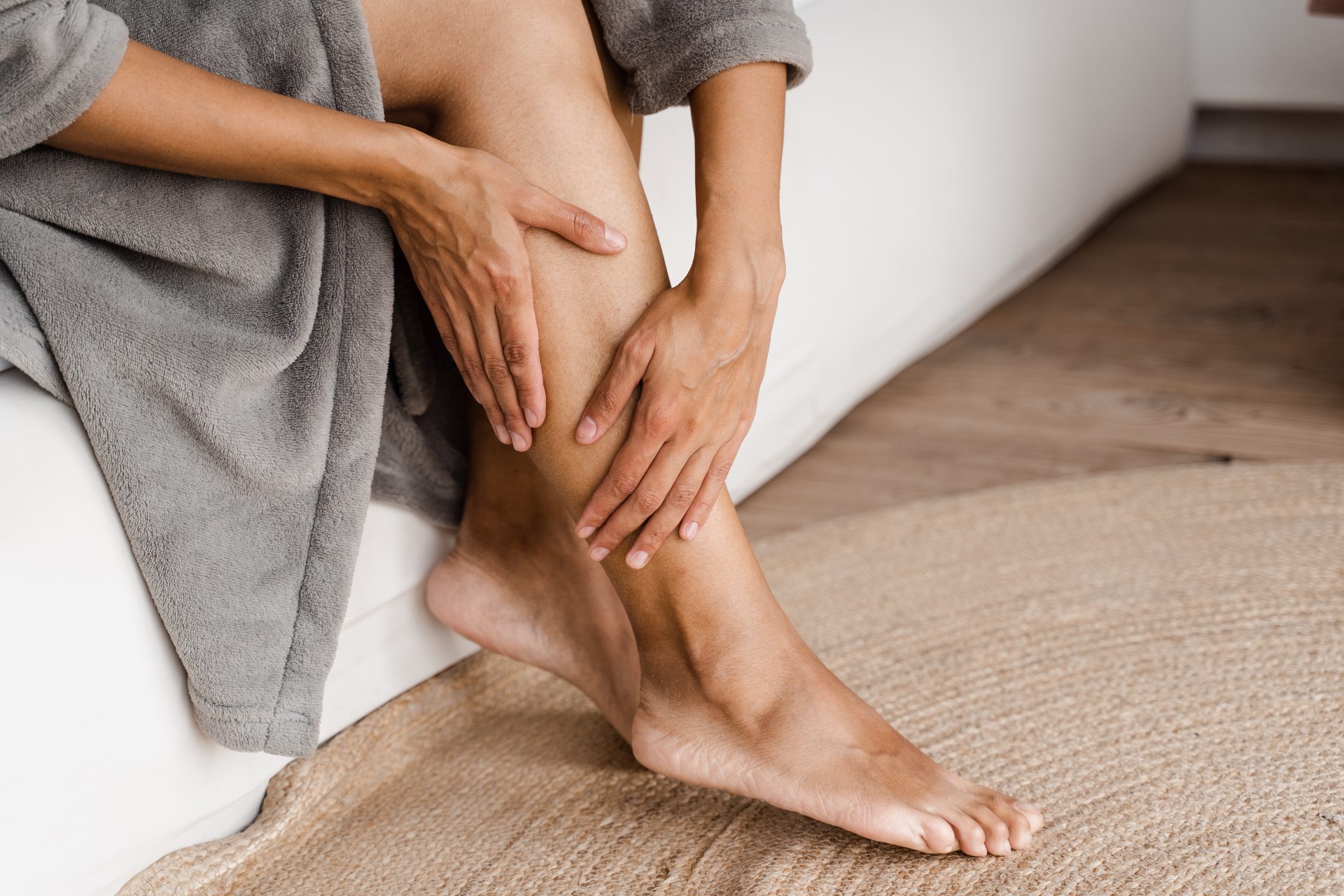
After surgery, it is important to keep moving, even though you may still feel a little vulnerable or tired. These exercises are specially designed to get you moving again safely. They help to activate the circulation, reduce the risk of complications such as thrombosis and contribute to a smooth recovery.
In this blog, you will find simple exercises that you can do on your own, provided your doctor or physiotherapist has given permission. Always listen carefully to your body, do not force anything and contact us if in doubt.
Why exercise?
Movement stimulates the circulation, especially in the legs. Active muscles help pump the blood back to the heart. Exercising regularly reduces the risk of deep vein thrombosis (DVT) and a pulmonary embolism.
Start gently
Start as soon as your doctor or physiotherapist gives permission (usually immediately after discharge from hospital).
Please note: Have you had surgery on your abdomen (for example a tummy tuck)? Then try not to tense your abdominal muscles during any of the exercises. This is especially important if something has also been done to the abdominal muscles, such as plication (stitching or strengthening) of the abdominal muscles.
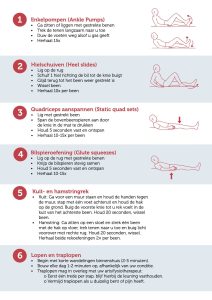
Or download the exercises here.
Discover the different types of facelifts, from the S-lift to the combined neck and facelift, and what you can expect from each procedure.
Find out what to expect on the day of your treatment at Boerhaave, from registration to surgery. Prepare yourself well with our tips.