
What types of facelifts are there?
Discover the different types of facelifts, from the S-lift to the combined neck and facelift, and what you can expect from each procedure.
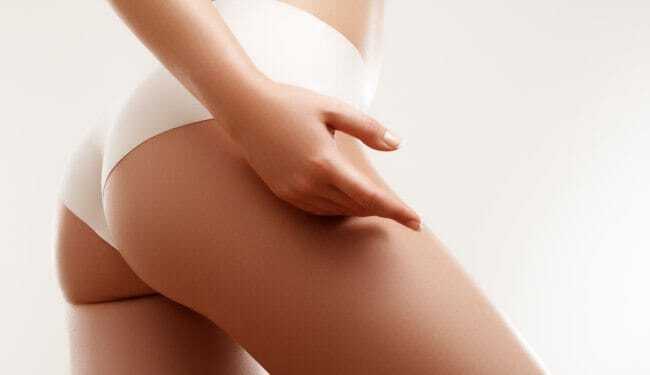
It is a feeling many people will recognise: you step out of the shower and, as you dry yourself, you see the contours of your body in the slightly steamed-up mirror. When you wipe the water droplets off the mirror with the towel or your hand, you get a clearer view of what your body looks like. How nice it would be if that fat distribution could be a little different, you think. A little less on the stomach would be fine. And then move that fat to the breasts, because after those two births and two rounds of breastfeeding they really have become a bit smaller and have started to sag a little. Or inject some fat into the buttocks, enough that the hipline stays nice and slim, but they become just that little bit rounder. Or else use some fat to smooth away those bags under the eyelids. But, you conclude, that is just how it goes when you get a bit older. With a last glance in the mirror, you wrap the towel around your body and walk out of the bathroom to pick out the clothes from your wardrobe that flatter your body best.
Of course the contours of the body change as the years go by. But something can be done about it in a relatively simple and proven safe way. The method is called lipofilling and it is quickly gaining popularity. In this technique, fat cells are harvested via liposuction from the place in the body where they are present in relatively large numbers, often around the stomach area. These fat cells are processed so that they can be transplanted safely. They are then injected in the desired place, for example in the buttocks or the breasts. A very good result can also be achieved with this after breast-conserving surgery. But lipofilling can also be used as an alternative to fillers to smooth away wrinkles and other irregularities in the face. And because stem cells are also removed along with the fat cells, lipofilling also makes tissue more supple in cases such as scars, trauma, burns or skin affected by radiation therapy.
Within 48 hours, new blood cells develop at the site where the fat cells are inserted, growing towards those transplanted fat cells so that they are nourished again. During this process some of the fat cells will dissolve, but the remaining inserted cells give a lasting result. A plastic surgeon who is experienced in applying this technique is able to make a good estimate of the amount of fat cells that needs to be injected to achieve the desired end result after the recovery period. That way you can be assured that no more or fewer fat cells are added to, for example, your breasts or buttocks than you yourself would like. It is a process in which you can play an active role yourself. You can aid your recovery after the treatment by not smoking, living healthily and using the scar cream you are given to take home. Then you will look into that bathroom mirror with very different eyes.
Would you like to know more about lipofilling? Then book a free, no-obligation consultation with one of our experienced plastic surgeons

Discover the different types of facelifts, from the S-lift to the combined neck and facelift, and what you can expect from each procedure.
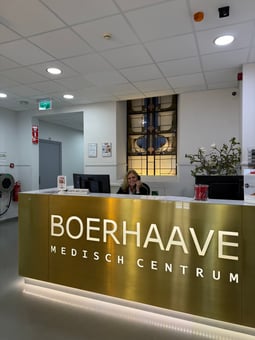
Find out what to expect on the day of your treatment at Boerhaave, from registration to surgery. Prepare yourself well with our tips.