Nutrition and recovery

Nutrition and recovery

Author:Boerhaave

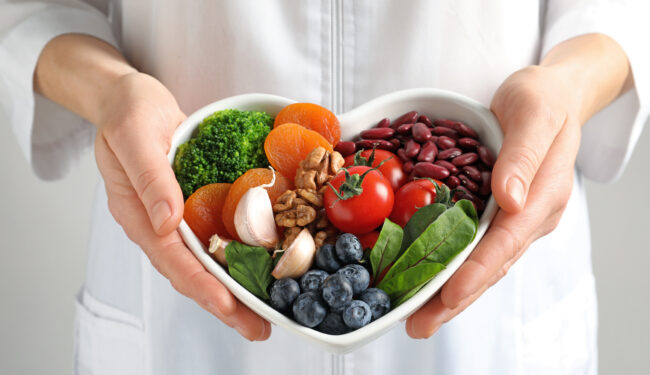
Did you know that nutrition can have a major influence on your overall recovery? Whether you have undergone a tummy tuck, an eyelid correction or another treatment, after plastic surgery your body needs more nutrients, minerals and vitamins to promote good healing. Eating the right food can prevent unpleasant complications and help healthy bodily functions speed up the recovery process.


General advice after your treatment

Have you just had a treatment? Then we advise you not to smoke for at least two weeks after the operation. Smoking considerably increases the risk of complications. This is because tobacco contains carbon monoxide and nicotine. These substances have a negative effect on blood clotting, blood circulation, the immune system and oxygen levels. We also ask you to have paracetamol, ibuprofen and omeprazole (only needed if you use ibuprofen) at home so that you can relieve the pain after a treatment.


Food that can aid your recovery

  • Drink plenty of water. Just as in preparation for a procedure, drinking plenty of water helps your digestion function well and keeps your skin clear. This is important, because all your healing processes require sufficient water intake to function as well as possible. Moreover, dehydration can harm your immune system and your body’s healing functions. Never replace water with coffee or soft drinks. This does not have the desired effect. Water-rich foods, such as cucumber or watermelon, can also help keep your fluid levels high.
  • Lean proteins. Proteins are the building blocks of tissue. Your body badly needs them to promote faster healing. The production of connective tissue and new blood cells depends on them. That is why consuming the recommended daily amount of protein benefits the immune system and supports the central nervous system. Foods rich in lean protein include: eggs, poultry, lean fish, steak, low-fat dairy, lentils, tofu, quinoa, tempeh, broccoli, cauliflower, unprocessed nuts and asparagus.
  • Fibre. Eat plenty of fibre after a procedure to keep your digestion and bowel movements going. These can be slowed down by anaesthesia, which can lead to constipation. When you think of fibre, wholegrain products quickly come to mind, but did you know that many vegetables and fruits are also excellent sources of fibre? You can find plenty of fibre in products such as wholegrain products, quinoa, seeds, unprocessed nuts, pulses, cabbage, blackberries, oatmeal, rye bread, apples, strawberries, beans and avocados.
  • Antioxidants. Antioxidants is a collective term often used for substances needed to neutralise free radicals. Free radicals are unstable, aggressive substances that can be harmful to your cells and tissue. So eat plenty of fruit and vegetables, such as berries, avocados, pomegranates, sprouts and spinach, but also raisins, kernels, seeds and unprocessed nuts to combat these free radicals.
  • Natural anti-inflammatories. The name says it all: some products are naturally anti-inflammatory. Think of turmeric, nettle, rosemary, aloe vera, garlic, onions or dark chocolate.
  • Unsaturated fats. Unsaturated fats (also called “good fats”) are often of plant origin, but are also found in large amounts in fish. These fats generally contribute to good health. For a faster recovery, it is mainly the anti-inflammatory functions of these fats that matter. Products such as unprocessed nuts, seeds, avocados, tofu, coconut oil, olive oil, rapeseed oil, salmon and wheat germ contain plenty of unsaturated fats.
  • Probiotics. Probiotics are micro-organisms found in foods such as kefir, miso, natural yoghurt, kimchi and sauerkraut. These micro-organisms travel via the stomach to the intestines and are needed to digest food. Anaesthetics and painkillers can disturb the balance in the intestines, which can cause you to experience digestive problems and nausea. A healthy dose of probiotics can therefore help to regulate this better.


Would you like to know how nutrition can help you in the run-up to a treatment? Then take a look at this blog.