What types of facelifts are there?
Discover the different types of facelifts, from the S-lift to the combined neck and facelift, and what you can expect from each procedure.
Are you struggling with stubborn fat that refuses to go despite a strict diet and exercise? Would you like to remove this excess fat? And are you looking for a solution? Then liposuction (also called “lipo” or liposculpture) may be the answer for you. Alongside breast augmentation and nose correction, liposuction is today one of the most common cosmetic surgical treatments we perform. By removing fat cells, liposuction gives your body better contours, so that fat will no longer be deposited in these areas in the future. Despite its popularity, there are many misconceptions about liposuction. Below you will find the most common generalisations we hear during consultations.
FALSE. Although liposuction produces results that are immediately visible (the result improves in the first months as the swelling subsides), it is not suitable for everyone. Ideal candidates for liposuction are in good physical and mental health. Liposuction is NOT a treatment for overweight and is not intended to replace exercise or good eating habits. If you do not maintain a good diet and exercise regime after your liposuction, fat zones around the treated areas will still grow due to the accumulation of fat, causing an irregular structure. Because it is not an alternative to diet or exercise, liposuction is also not an effective treatment for cellulite or loose, sagging skin.
FALSE. Liposuction is performed on both men and women. Men with a genetic predisposition to store fat around their waists can tackle this with liposuction. The most common areas where liposuction is performed on men are the neck, the abdomen and the flanks (‘love handles’). We are also increasingly seeing men with gynaecomastia, or breast development in men. This breast development in men can be experienced as very unpleasant and in many cases can be treated with liposuction.
TRUE. Liposuction is usually performed as a stand-alone procedure. In many cases, however, it is also done in combination with other procedures, such as a facelift, a breast reduction or a tummy tuck.
FALSE. Liposuction can take place under either local or general anaesthesia. This depends on the location of the area to be treated, the size of the area to be treated and the patient themselves. In tumescent liposuction, a fat-dissolving tumescent fluid is first injected through a small cannula together with an anaesthetic. Thanks to this anaesthetic you experience less pain, but it is no indication that all liposuction treatments should be performed under local anaesthesia.
Information on the internet about whether or not general anaesthesia is indicated can be very confusing. This is because liposuction is performed by many doctors who do not have the options or facilities to put someone under general anaesthesia. As a result, local liposuction is mainly recommended. But whether or not general anaesthesia is available should not determine whether you go under general anaesthesia. So always choose a clinic where general anaesthesia is an option, such as ours at Boerhaave Clinic. Then you have the best possible choice there is: local anaesthesia or, if desired by you or the plastic surgeon, general anaesthesia.
FALSE. When a qualified surgeon performs the procedure, the risks are manageable and complications rare. As with any other surgical treatment, liposuction carries certain risks. You can read about these risks on our page about liposuction .
If you are interested and would like to know more about liposuction, you can request a no-obligation consultation with us. The consultation always takes place with one of our plastic surgeons who specialises in liposuction.
Discover the different types of facelifts, from the S-lift to the combined neck and facelift, and what you can expect from each procedure.
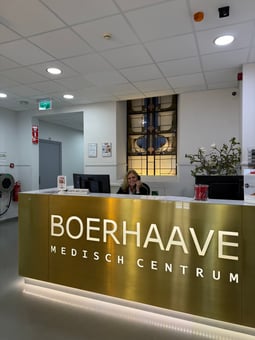
Find out what to expect on the day of your treatment at Boerhaave, from registration to surgery. Prepare yourself well with our tips.