Liposuction
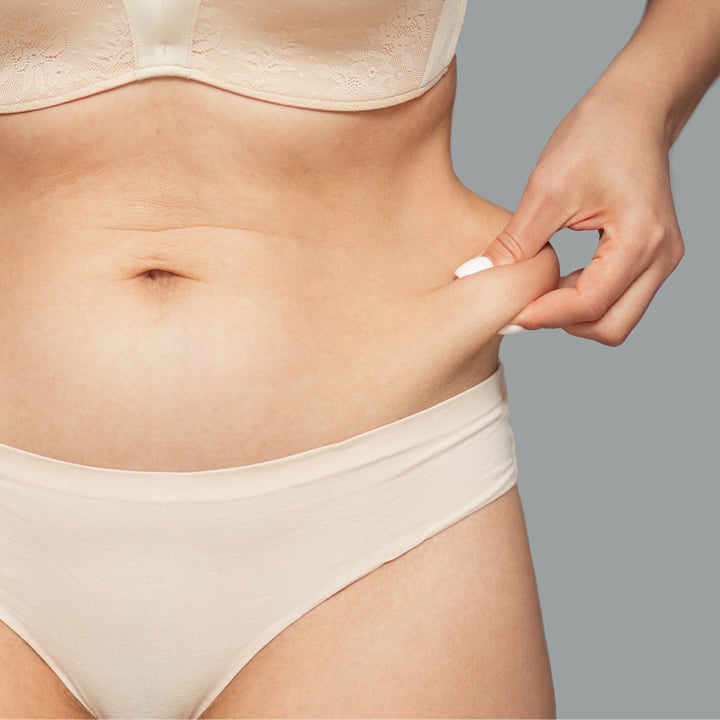
Stubborn fat? Liposuction gives you a more toned body contour—with lasting, effective results.
Good to Know
- Anesthesia: Procedure performed under local or general anesthesia
- Duration: 30 minutes – 3 hours
- Recovery: 7–14 days
- Price: Starting at €900
About Liposuction
Certain areas of fat do not go away, despite diet or exercise. With liposuction, this excess fat is precisely removed from areas such as the abdomen, hips, thighs, or chin, resulting in more attractive body contours and a lasting, natural-looking result.
- Liposuction is possible from €900, depending on which donor sites are treated and how many. During a free, no-obligation consultation, our plastic surgeon discusses and assesses which procedure suits you best, including a personal cost indication
- The incisions for liposuction are so small that virtually no visible scars remain. It is important to follow the doctor's instructions carefully for the best possible wound healing.
- We advise most people to take a week off after liposuction. With a small liposuction, three to four days may also be enough, and with a very extensive liposuction you should allow for 10 to 14 days. It also depends on how physically demanding your work is. For the first 6 weeks you must not bend over or lift heavy objects.
- At Boerhaave, liposuction is performed by experienced plastic surgeons with an eye for safety, quality and a natural result. You can count on personal guidance and comprehensive aftercare, so that you know where you stand throughout the entire treatment process.
Here's how the treatment works
Here you will find all the important information about this treatment, from the consultation and the treatment itself to follow-up care, the results, and potential risks.
What is liposuction?
Liposuction is a cosmetic procedure that removes excess fat from specific areas of the body. The procedure aims to improve body contours by removing stubborn fat deposits that do not respond to diet or exercise. Common areas where liposuction is performed include the abdomen, hips, thighs, back, arms, and chin.
How does liposuction work?
- Fat Removal: A thin tube, called a cannula, is inserted through small incisions. This cannula suctions out the excess fat tissue.
- Anesthesia: The procedure can be performed under local or general anesthesia, depending on the size of the area being treated.
- Recovery time: After the procedure, there is a recovery period during which swelling and bruising may occur. The results are usually not fully visible until several weeks later.
When are you a candidate for liposuction?
- You are healthy and have a stable weight. Want to know if you’re at a healthy weight? Calculate your BMI here.
- You have specific areas of stubborn fat that do not respond to diet or exercise.
- Your skin has sufficient elasticity to adapt to the new contours after fat removal.
- You have realistic expectations about the results.
Although liposuction is effective for fat removal, it cannot significantly tighten the skin on its own. This is where Renuvion comes in. Renuvion is a treatment that focuses on skin tightening. A unique combination of cold helium plasma and radiofrequency energy is used to tighten the skin from the inside out. This technology was specifically developed to heat the underlying tissues while keeping the surrounding areas cool, resulting in less recovery time and fewer risks compared to traditional skin-tightening methods. By applying Renuvion immediately after liposuction, the doctor can tighten the skin in the areas where fat has been removed, leading to smoother and more defined body contours.
When is liposuction not a solution?
- You want to lose a significant amount of weight; liposuction is not a solution for obesity.
- You have poor skin elasticity, which can lead to loose skin after the procedure.
- You have serious medical conditions that could hinder healing.
- You are pregnant or plan to become pregnant in the near future.
Another option might be a tummy tuck . Liposuction is ideal for fat removal in small to medium-sized areas, while a tummy tuck is more suitable for people with significant excess skin, often after weight loss or pregnancy.
Liposuction After Pregnancy
After pregnancy, it may take some time for your body to return to its previous weight. Especially for women who have had multiple pregnancies or have lost a significant amount of weight, there may be sagging abdominal skin in addition to excess fat. In this case, you can combine the treatment with a tummy tuck to achieve the best results. Some women choose to combine it with breast augmentation. This is referred to as a “mommy makeover,” which refers to a combination of surgical procedures for women.
How much does liposuction cost?
The cost of liposuction depends on the desired areas and the number of regions treated. If you choose multiple areas, the price is reduced. During a consultation, one of our plastic surgeons can provide you with more clarity on which areas are most suitable for you.
General anesthesia or local anesthesia?
For liposuction, the choice between local anesthesia and general anesthesia may depend on various factors, including the extent of the procedure, the areas to be treated, the patient’s personal preference, and the doctor’s recommendation. Here are the guidelines for both options:
Local anesthesia:
- Small areas: Local anesthesia is often used for liposuction of smaller areas, such as the chin, neck, or small pockets of fat on the abdomen or arms.
- Limited fat removal: If only a small amount of fat is being removed, local anesthesia may be sufficient.
- Faster recovery time: Since you don’t need to be under general anesthesia, the recovery time is often shorter, and there are no risks associated with anesthesia.
- Outpatient procedure: After a procedure under local anesthesia, you can often go home the same day.
General anesthesia:
- Large areas or multiple zones: If liposuction is performed on multiple areas of the body (such as the abdomen, back, thighs, and hips), general anesthesia may be necessary to ensure the patient’s comfort during the procedure.
- Greater fat removal: For larger amounts of fat removal, general anesthesia is usually safer and more comfortable, as the procedure takes longer and is more intensive.
- Recovery time: The recovery time after general anesthesia varies depending on several factors, such as the duration of the surgery, the patient’s health, and the complexity of the procedure. It is important to realize that recovery from the anesthesia itself is usually brief, but recovery from the surgery for which the anesthesia was administered may take longer.
- Outpatient treatment: After treatment under general anesthesia, you can often go home the same day.
Important considerations include the duration of the procedure; general anesthesia is more commonly recommended if liposuction takes longer than 2 to 3 hours, to prevent discomfort. Depending on the patient’s comfort level—if the patient feels anxious or is sensitive to pain—general anesthesia may be perceived as more comfortable. On the other hand, general anesthesia carries additional risks, such as nausea, vomiting, and a longer recovery time.
During a consultation, you can discuss your preferences with the plastic surgeon, who can then provide advice.
Important: A comprehensive consultation always takes place prior to the procedure to determine whether liposuction is the right choice for you and to discuss any potential risks.
Plastic Surgeon
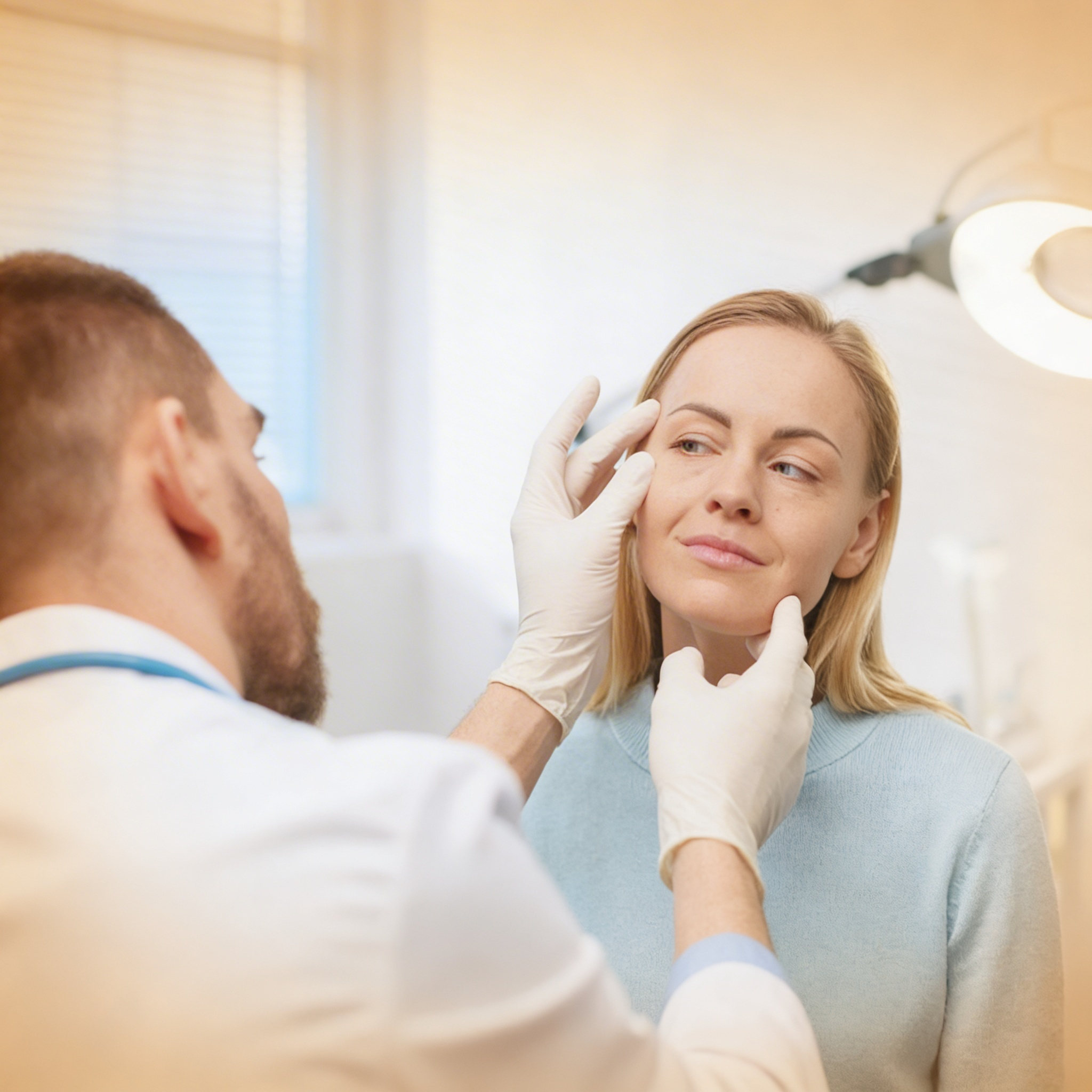
The consultation always takes place with the plastic surgeon who will be treating you. During this initial consultation, you can explain what bothers you most about your body and what you would like to change. Together with your plastic surgeon, you will discuss your wishes and the specific areas in front of the mirror. Based on this, the surgeon will propose the surgical technique best suited for you and discuss it with you. In front of the mirror, the surgeon will explain what this technique entails and what you can expect in terms of the final result.
The plastic surgeon will then show you before-and-after photos of procedures he or she has performed. This will give you an idea of the possible results. At the end, your consultation will be summarized in a treatment plan, and the total costs will be discussed with you immediately. This will allow you to make an informed decision.
Would you like more information about your first consultation at Boerhaave? Read more here.
Consultant
Following your initial consultation with your plastic surgeon, you’ll have a conversation (by phone) with your consultant. The purpose of this conversation is to inform you about matters that need to be arranged regarding your liposuction. This ensures you’re well prepared for your treatment.
BMI
When you undergo general anesthesia during surgery, it is important that the procedure proceeds safely. For this reason, you should be at a healthy weight. Would you like to know if you are at a healthy weight?
Calculate your BMI here. The BMI (Body Mass Index) indicates whether your weight is healthy in relation to your height.
On the day of your liposuction, you are expected to arrive at the clinic half an hour in advance. The exact duration of the procedure depends on the number of fat cells to be removed and the number of treatment areas. Whether you receive local anesthesia or general anesthesia also depends on this. A minor liposuction procedure can be performed under local anesthesia, while a more extensive procedure will be performed under general anesthesia. If you’re undergoing a more extensive liposuction procedure involving multiple areas, you may need to stay overnight at the clinic.
Read here about how a typical treatment day generally proceeds.
How is the procedure performed?
For this procedure, we use tumescent liposculpture: this involves making one or more small incisions of about five millimeters in the skin folds, so that they are barely visible afterward. Through the incisions, a solution is injected into the fatty tissue to minimize blood loss and liquefy the fat. The plastic surgeon then uses fine suction cannulas to remove the excess dissolved fat. After the excess fat has been removed, the incisions are carefully closed with dissolvable sutures.If your procedure was performed under local anesthesia, you can usually go home half an hour after the procedure. If you had general anesthesia, you will typically stay at the clinic for another three to four hours so that your blood pressure and heart rate can be monitored. Depending on the extent of the surgery, you may need to stay overnight. You may not go home until the nurse and the anesthesiologist deem it safe to do so.
Was your procedure performed under general anesthesia? If so, you may start with easily digestible foods at home, such as water, tea, and crackers. Try to avoid nausea and vomiting, as this reduces the risk of post-operative bleeding and/or swelling at the wound site. It’s also important to drink plenty of fluids.
It is normal for some fluid—and occasionally blood—to seep from the incision sites during the first 24 hours. There is no need to worry about this; it will resolve on its own.
Post-treatment pain
After treatment, the treated area may initially:
-
Feel painful and tender
-
Feel sore
-
Sore; and a burning sensation when you move
In addition, fluid buildup may occur in some areas. This usually resolves on its own after about two to six weeks.
Recovery
As with any surgical procedure, the body needs time to recover. The treated area will initially be quite swollen, and the scars may appear red and raised immediately after the procedure. Don’t be alarmed by this—it’s a natural reaction of the body. In addition, the skin around the treated area may turn blue to yellow, and you may experience reduced sensation in the skin.
You won’t see the immediate results right away, because your skin is quite swollen and puffy. The skin needs time to tighten and adapt to your new body shape. After a few weeks, the swelling will have subsided and the fluid will have disappeared. It is only after three months that you can properly assess whether the liposuction was successful. The final result will not be fully visible until one year after the treatment, as your body will not have fully healed from the procedure until then.
Due to your new body shape, it’s often necessary to buy new clothes. Be sure to take this into account well in advance.
Scars
The scars left after liposuction are small, averaging half a centimeter. The plastic surgeon will do everything possible to ensure the scars are barely visible.
During your first follow-up visit with us, you’ll be given a scar care cream to take home. As soon as the wound has closed and the scabs have fallen off, you may begin applying the scar cream. By applying this cream to the closed wound twice a day, you’ll increase the chances of a smooth healing process. It’s helpful to know that a scar takes one to one and a half years to fully settle. That’s why it’s important to keep your scars out of the sun and to always apply sunscreen with an SPF of at least 30 to your skin during the first year.
-
The results of liposuction are often permanent. Fat cells that have been removed will never return. However, a thin layer of fat remains just beneath the skin, which is necessary for a shapely figure and plays an important role in skin health. These remaining fat cells can grow larger again due to factors such as an unhealthy diet. Regular exercise and a healthy diet are therefore important for long-lasting results.
Our specialists take the time to thoroughly tailor the treatment plan and expected results to each individual’s specific wishes and needs. We carefully assess your body’s contours and ensure they remain in balance following the treatment. Boerhaave has helped thousands of people achieve their dream figure through liposuction.
Curious about the results? View the before-and-after photos of various liposuction treatments here.
It is important to remember that any surgical procedure can involve risks and complications. Plastic surgery procedures are generally performed on healthy individuals, so the risks and likelihood of complications are low. Through thorough counseling, a comprehensive medical history, and our professional approach, we minimize these risks to an absolute minimum.
The likelihood of a complication occurring during liposuction is rare. In addition, you can reduce certain risks by carefully following the instructions you have been given.
Possible complications include:
-
Hematoma (a collection of blood under the skin that requires drainage)
-
Adverse reaction to the anesthesia
-
Postoperative bleeding
-
Infection
-
Changes in sensation
-
Permanent visible scars
-
Damage to underlying structures
-
Unsatisfactory aesthetic result
-
Irregularities
-
Loose skin after liposuction
Smoking
Patients who smoke or use tobacco or nicotine products at the time of surgery are at a higher risk of complications, such as skin necrosis and poor wound healing. In addition, smoking can have a negative effect on anesthesia, potentially resulting in an increased risk of bleeding. It is important to stop smoking at least four weeks before the procedure and to continue abstaining throughout the entire recovery process.
It is important to note that people exposed to secondhand smoke may also face a potentially increased risk of similar complications. People who are not exposed to tobacco smoke or nicotine-containing products have a significantly lower risk of complications.
-
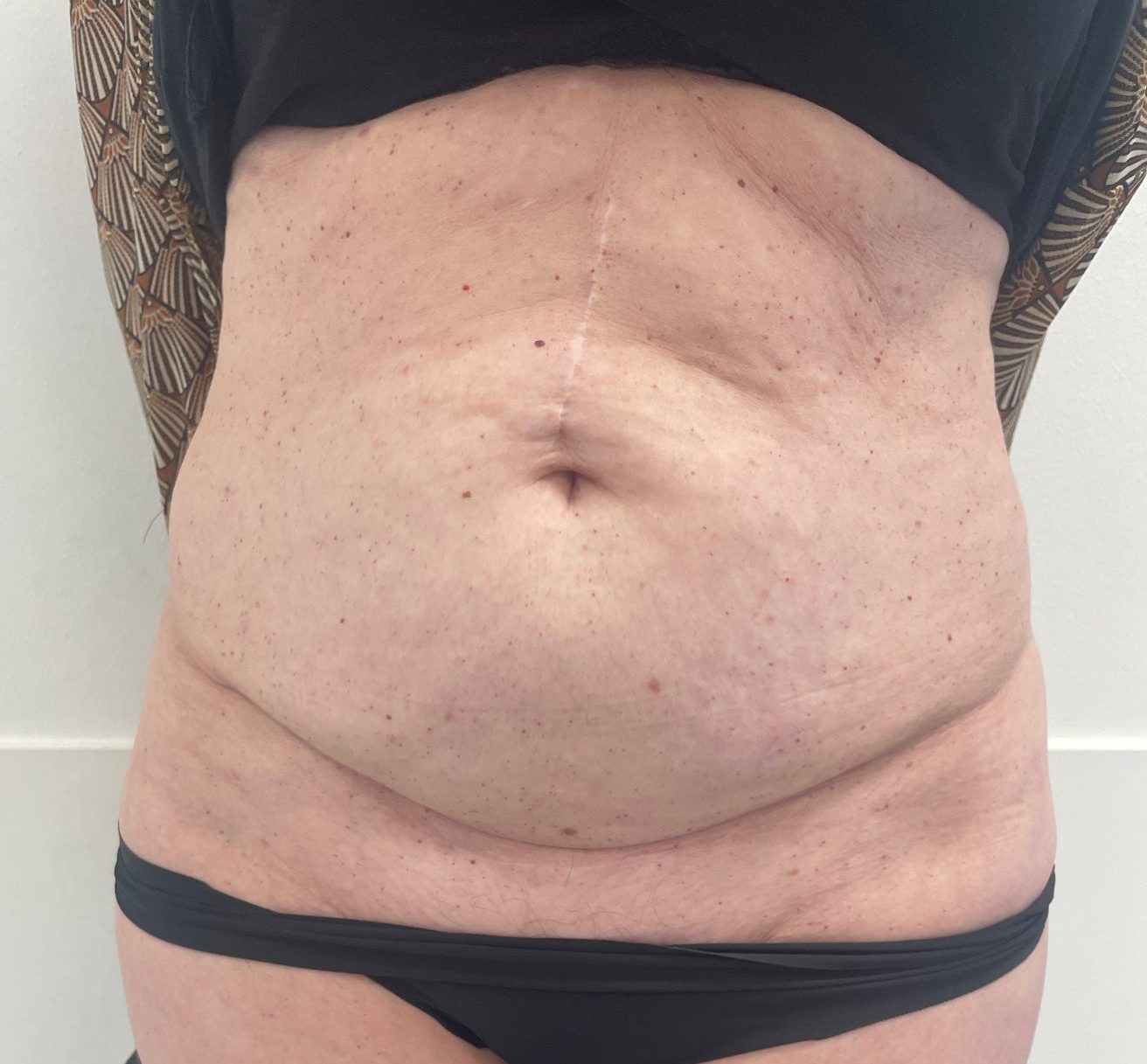
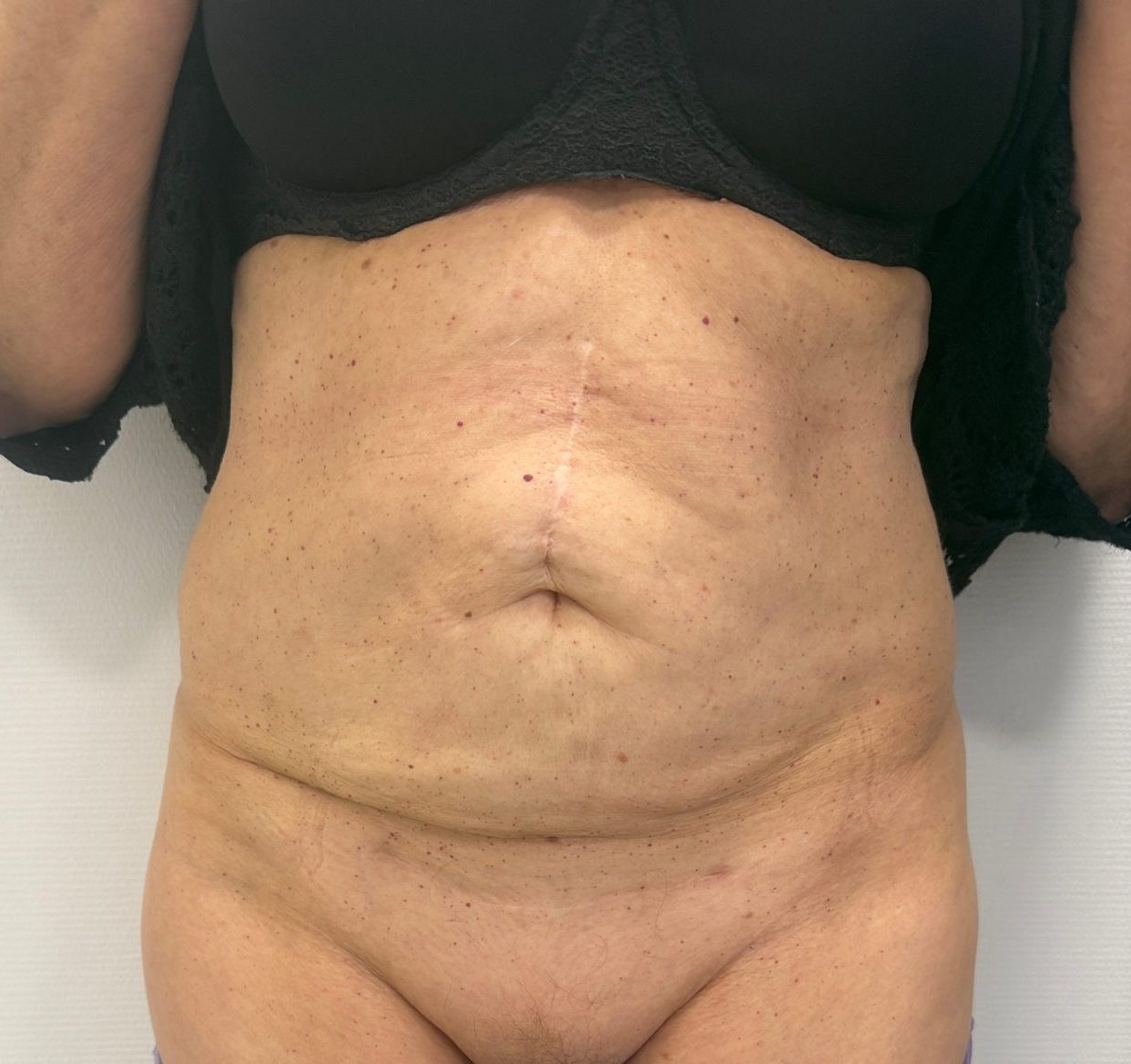
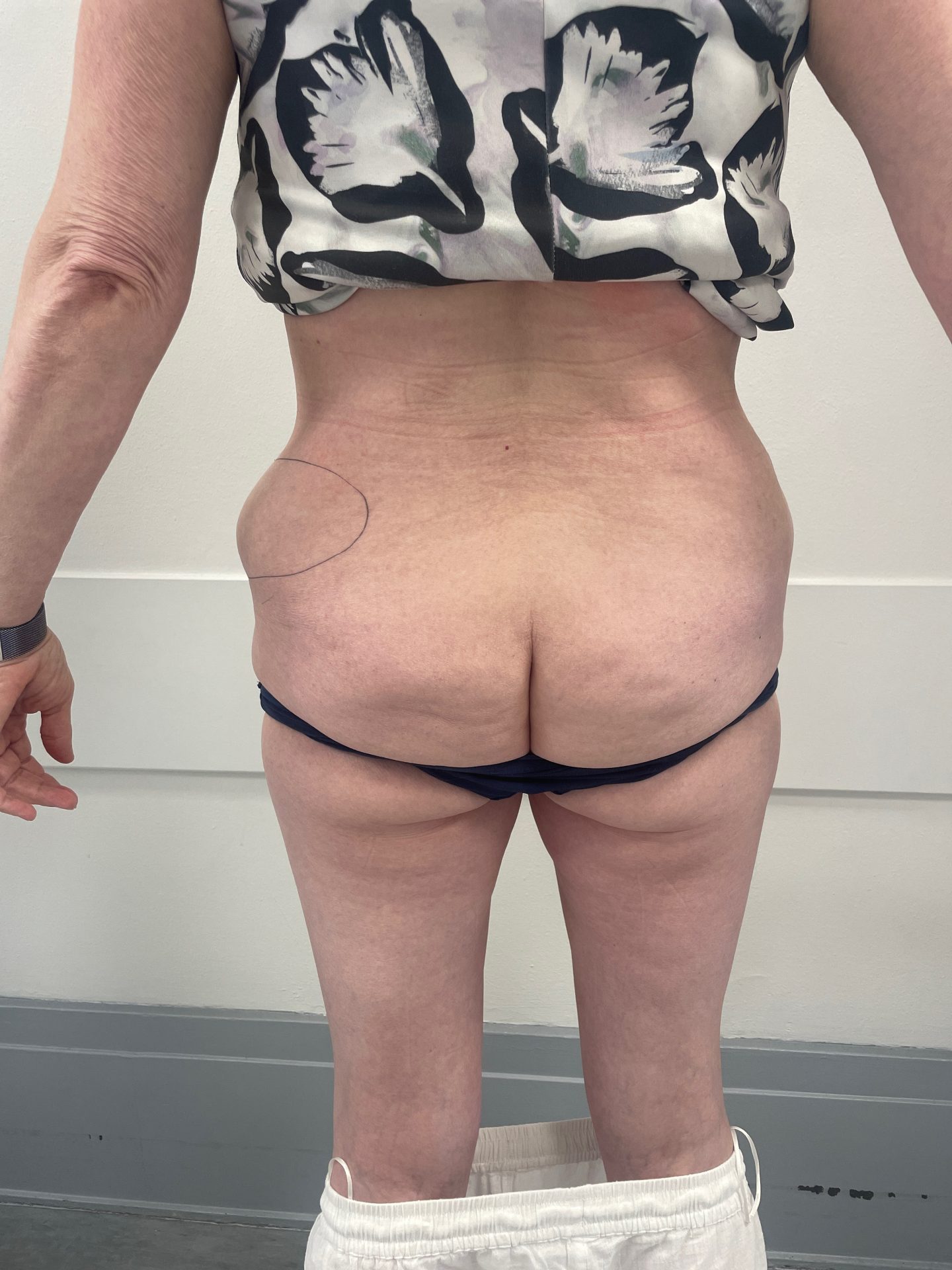
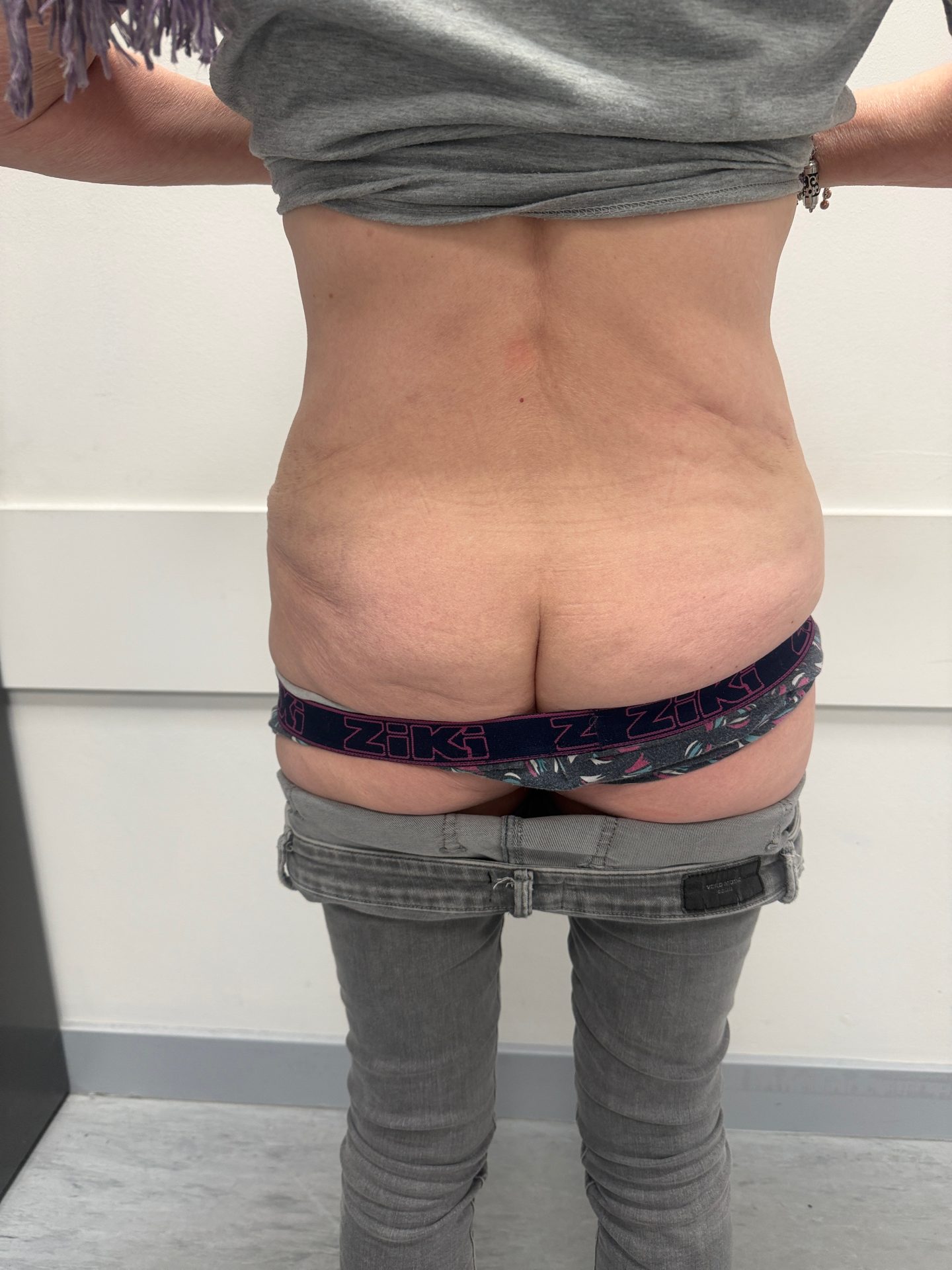
Real Liposuction Results from Our Patients
Take a look at the liposuction results of patients who have undergone the procedure at our clinic before you. The before-and-after photos provide a realistic picture of what this treatment can achieve.
In the hands of our experienced specialists
Our team of plastic surgeons combines years of experience with personalized care.
During a consultation, we take the time to discuss your wishes and provide honest advice about the options that are right for you.


-2.png?height=1000&name=Carolien+Verveld-4974+(1)-2.png)


%20-%2012-08-2026%2016-09-34-2.png?height=1000&name=Dokter+Koeijers-117+(1)+-+12-08-2026+16-09-34-2.png)


-2.png?height=1000&name=Carolien+Verveld-4974+(1)-2.png)


%20-%2012-08-2026%2016-09-34-2.png?height=1000&name=Dokter+Koeijers-117+(1)+-+12-08-2026+16-09-34-2.png)


-2.png?height=1000&name=Carolien+Verveld-4974+(1)-2.png)


%20-%2012-08-2026%2016-09-34-2.png?height=1000&name=Dokter+Koeijers-117+(1)+-+12-08-2026+16-09-34-2.png)


How much does liposuction cost?
The exact price depends on the treatment that’s best for you. Because every body and every goal is different, we’ll develop a treatment plan during a personal consultation, including a clear, transparent price.
Liposuction – Neck
Procedure under local anaesthesia€900Liposuction – Chin
Procedure under local anaesthesia€1,100Liposuction – Neck
Procedure under local anaesthesia€1,100Liposuction – Shoulder blades
Procedure under local anaesthesia€1,250Liposuction – Front of arms
Procedure under local anaesthesia€1,250Liposuction – Back of arms
Procedure under local anaesthesia€1,250Liposuction – Breasts
Procedure under local anaesthesia€1,600Liposuction – Bra-line rolls
Procedure under local anaesthesia€1,300Liposuction – Armpits
Procedure under local anaesthesia€1,200Liposuction – Upper abdomen
Procedure under local anaesthesia€1,350Liposuction – Waist
Procedure under local anaesthesia€1,500Liposuction – Back
Procedure under local anaesthesia€1,500Liposuction – Abdomen
Procedure under local anaesthesia€1,500Liposuction – Sacral area
Procedure under local anaesthesia€950Liposuction – Flanks
Procedure under local anaesthesia€1,700Liposuction – Hips
Procedure under local anaesthesia€1,600Liposuction – Mons pubis
Procedure under local anaesthesia€1,500Liposuction – Buttocks
Procedure under local anaesthesia€1,550Liposuction – Lower buttocks
Procedure under local anaesthesia€1,400Liposuction – Inner thighs
Procedure under local anaesthesia€1,500Liposuction – Front of thighs
Procedure under local anaesthesia€1,500Liposuction – Back of thighs
Procedure under local anaesthesia€1,500Liposuction – Outer thighs
Procedure under local anaesthesia€1,500Liposuction – Front of knees
Procedure under local anaesthesia€1,500Liposuction – Inner knees
Procedure under local anaesthesia€1,400Liposuction – Shins
Procedure under local anaesthesia€1,500Liposuction – Calves
Procedure under local anaesthesia€1,500Liposuction – Ankles
Procedure under local anaesthesia€1,600Combination discount for liposuction of 2 areas
-€250Combination discount for liposuction of 3 areas
-€550Combination discount for liposuction of 4 areas
-€900Combination discount for liposuction of 5 areas
-€1,300Combination discount for liposuction of 6 areas
-€1,750Surcharge for general anesthesia for liposuction
Procedure under general anaesthesia€600Additional treatment with Renuvion
€2,900
Our Patients' Experiences
Every patient has their own story. Read about their experiences with liposuction at Boerhaave.
Plan a free consult with a specialist
Every body is different. During a free consultation, an experienced specialist will take the time to discuss your wishes and expectations in detail. You’ll receive personalised treatment advice, a clear explanation of the process and a transparent cost estimate.
You can also easily ask Bo, our AI medical assistant, any questions you may have.

Frequently Asked Questions
- In a liposuction procedure, a fluid is injected into the fatty tissue through a few small incisions in the skin fold. The fluid reduces blood loss and liquefies the fat, so that the plastic surgeon can suction away the excess dissolved fat with fine suction cannulas.
- The fat does not come back in the place where it was suctioned away. However, if you gain weight again after abdominal liposuction, the fat added by this gain will go to an area other than the abdomen. It is therefore important to be at a target weight before the treatment and to maintain it.
- The choice between a tummy tuck and liposuction depends on your specific needs and expectations. If you mainly suffer from excess fat and your skin still has sufficient elasticity, liposuction can be a good solution. However, if you are dealing with a lot of excess skin and stretched muscles, a tummy tuck offers a better outcome.
- We advise most people to take a week off after liposuction. For a small liposuction, three to four days may also be enough, and for a very extensive liposuction you should allow for 10 to 14 days. It also depends on how physically demanding your work is. For the first 6 weeks, you must not bend over or lift heavy objects.
Related Treatments
View treatments that are similar to this one and may meet your needs.