Capillary Contraction

Capsular Contracture Repair and Removal of Breast Implants

Have your breast implants checked, replaced, or removed if you experience any symptoms, capsular contracture, or if your preferences have changed.

Good to know

  • Anesthesia: Procedure under general anesthesia
  • Duration: 1.5–2 hours
  • Recovery: 1–2 weeks
  • Price: Starting at €1,900
Free Consultation
5,000+Treatments
9.2Review

About Capsular Contracture and the Replacement and Removal of Breast Implants

After breast augmentation, it may be desirable or necessary to replace or remove breast implants. This may be due to capsular contracture, pain, a damaged implant, or a change in your preferences. The plastic surgeon will evaluate your breasts and discuss with you whether removal, replacement, or a combination of removal and capsular contracture correction is best suited to your situation.
  • Removing one breast implant is possible from €1,900. Different rates apply for replacing implants or removing capsule formation. The final cost depends on your situation, the type of implant and the chosen treatment. During a free, no-obligation consultation, the plastic surgeon will discuss the options and you will receive a transparent cost overview.
  • Breast implants do not have to be replaced as standard after a fixed number of years. It is, however, wise to have your breasts and implants checked regularly, especially with older implants. Complaints such as pain, hardening, a change in shape or a damaged implant can be a reason for replacement or removal. The plastic surgeon will assess what is needed in your situation.
  • The body naturally forms a thin layer of connective tissue, the capsule, around a breast implant. In capsular contracture, this capsule becomes thicker and contracts, which can make the breast feel harder, change shape or become painful. Depending on your situation, the plastic surgeon can incise or remove the capsule and, if necessary, replace the breast implant.
  • At Boerhaave, the replacement or removal of breast implants is performed by experienced plastic surgeons with attention to safety, quality and a natural result. You can count on high-quality implants, personal guidance and extensive aftercare, so that you know where you stand throughout the entire treatment process.

Here's how the treatment works

Here you will find all the important information about this treatment, from the consultation and the treatment itself to follow-up care, the results, and potential risks.

  • The desire to replace a breast implant may stem from the fact that you feel your breasts have lost their appeal over time, or it may result from the development of capsular contracture.

    The capsule that has formed around the implant has begun to contract, which can make your breasts feel firmer. This can lead to pain and changes in the shape of your breasts. If you experience these symptoms, it is advisable to have this corrected surgically. Read more about capsular contracture here.

    If you have chosen to have the implants removed, you may experience a loss of volume. This can be compensated for by filling the area with your own fat tissue. This method is called lipofilling and can often be performed at the same time as the removal of the old implants or another corrective procedure.

  • Plastic Surgeon
    A consultation at Boerhaave always takes place with the plastic surgeon who will be treating you. During this personal consultation, you will discuss the medical details and your preferences regarding the replacement of your breast implant. Afterward, photos will be taken, and your breasts will be examined and measured. Key factors to consider include skin elasticity, the quality and quantity of breast tissue, and any irregularities in the breast tissue. Specific information on these points will help you make the right choice.

    Based on this, you will receive a recommendation on which treatment best aligns with your wishes. You will also have the opportunity to express your preferences in front of a mirror. If you opt for a larger implant, you can “try on” the selected size to help you make a well-informed decision.

    We recommend that women aged 40 and older have a mammogram performed beforehand. This is not necessary if you have had one within the past year.

    Consultant
    Following your initial consultation, you’ll have a meeting with your consultant. The purpose of this meeting is to inform you about the general procedures that need to be arranged. Would you like to read more about your initial consultation? More information about your initial consultation at Boerhaave.

    Follow-up Appointment
    We understand that you may feel overwhelmed by the amount of information during your initial consultation. If you feel uncertain about the decisions made afterward, you can schedule a separate appointment to discuss them in detail with your plastic surgeon.

    If you’ve chosen a larger implant, you can try it on again. This allows you to take your time and make a well-considered decision about which shape and cup size will give you the desired result.

  • Before the procedure, the plastic surgeon will mark your breasts according to the treatment plan. General anesthesia is then administered.

    If possible, an implant replacement is performed through the existing scar. This scar is often four to five centimeters long and can be slightly extended if necessary. If the original scar is located in the armpit or around the nipple, you will have a new scar in the natural breast crease.

    Removing or Incising the Capsule
    The most appropriate treatment for capsular contracture is the complete removal of the capsule surrounding the breast implant, also known as a capsulectomy. This is the procedure most likely to prevent future recurrence of capsular contracture. Capsulotomy—that is, simply making an incision in the capsule—carries a much higher risk of the problem recurring.

    After the capsule is removed, the new implant is placed. The pocket is then closed, the skin is sutured with dissolvable sutures, and the wound is covered with Steri-Strips. A water-repellent, transparent bandage is applied over these.

    If you have your implants removed without replacing them, a more extensive procedure is often necessary. This is because your skin may have stretched, and without implants, your breasts often remain saggy. Through reconstruction, the plastic surgeon can achieve an aesthetically pleasing result.

    In total, the procedure takes one to one and a half hours.

  • After the surgery, you will usually stay at the clinic for another three to four hours, and you may go home only once the nurse and the anesthesiologist deem it safe to do so. However, you may start eating easily digestible foods right away, such as water, tea, and crackers.

    Immediately after the procedure, the treated area will be bruised, tender, and swollen. For the first few days, your breasts may also feel sore, and you may experience muscle aches and mild tenderness around the treated area. In addition, the skin will feel tight and taut as it adjusts to the new breast size. The same applies to the breast tissue.

    It is important that you take it easy after the surgery. For six weeks, you should avoid intense exercise, heavy lifting, and strenuous work.

    Scars
    Your scars will initially be red and swollen. This will subside after a few weeks. It’s good to know that a scar takes one to one and a half years to fully heal. Also, remember to keep the scars out of the sun and to care for them properly.

    The clinic will provide you with a special scar care cream. Once the wound has closed and the scabs have fallen off, you may begin applying this scar cream. In addition, always use sunscreen with an SPF of 30 or higher for the first year to protect your skin.

    Sports Bra
    Finally, it is important that you wear a sports bra day and night for six weeks. This will be fitted after the surgery and provided to you free of charge by the clinic.

  • The final result will not be visible until after a few months. In the initial period, you’ll experience some discomfort, but after a few months, you’ll be able to enjoy your breasts, which will have a new shape and, possibly, more volume. In general, the results are permanent. As long as your breasts remain supple to the touch and continue to look good, there’s no reason to replace the implants. After ten years, you can come back to the clinic for a follow-up visit.

  • It is important to realize that any surgical procedure can involve risks and complications. This is also true for plastic surgery procedures. However, the risks and likelihood of complications are low, as the patients are generally healthy individuals. In addition, we minimize these risks to an absolute minimum through our thorough patient education, comprehensive medical history review, and professional approach. You can also help reduce certain risks by carefully following the instructions you received beforehand.

    Possible complications may include:

    • Hematoma (a collection of blood under the skin that requires removal)
    • Adverse reaction to the anesthetic
    • Postoperative bleeding
    • Infection
    • Capsular contracture
    • Implant rupture
    • Change in sensation
    • Permanent scarring
    • Damage to underlying structures
    • Unsatisfactory aesthetic result.

    Capsular Contracture
    Capsular contracture may recur even after surgical procedures. This can occur shortly after surgery or not until years later. Unfortunately, it cannot be predicted, but the risk does increase over time and can develop on one side or both sides. After 10 years, the risk of capsular contracture is 10 to 12 percent.

    Capsule formation is more common when the implant is placed in front of the pectoral muscle.

    Smoking
    Did you know that patients who do not smoke or are not exposed to secondhand smoke have a significantly lower risk of complications and other risks? If you do smoke or use tobacco or nicotine products at the time of surgery, you have a higher risk of complications, such as skin necrosis and poorer wound healing. In addition, it can have a negative effect on anesthesia, potentially resulting in an increased risk of bleeding. It is therefore important to stop smoking at least four weeks before surgery and to continue abstaining throughout the entire recovery process. Even if you are exposed to secondhand smoke, you may be at an increased risk of complications.

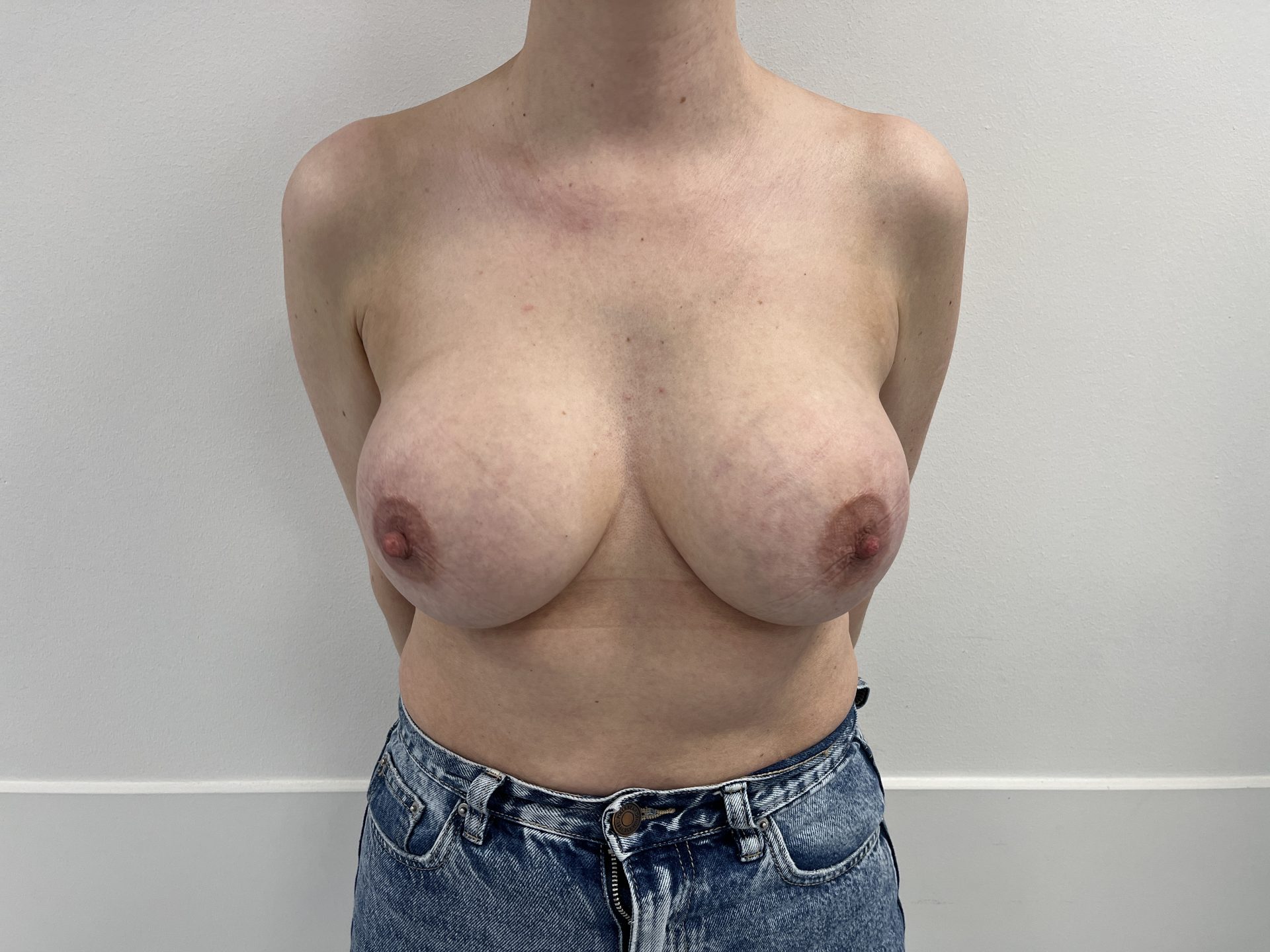
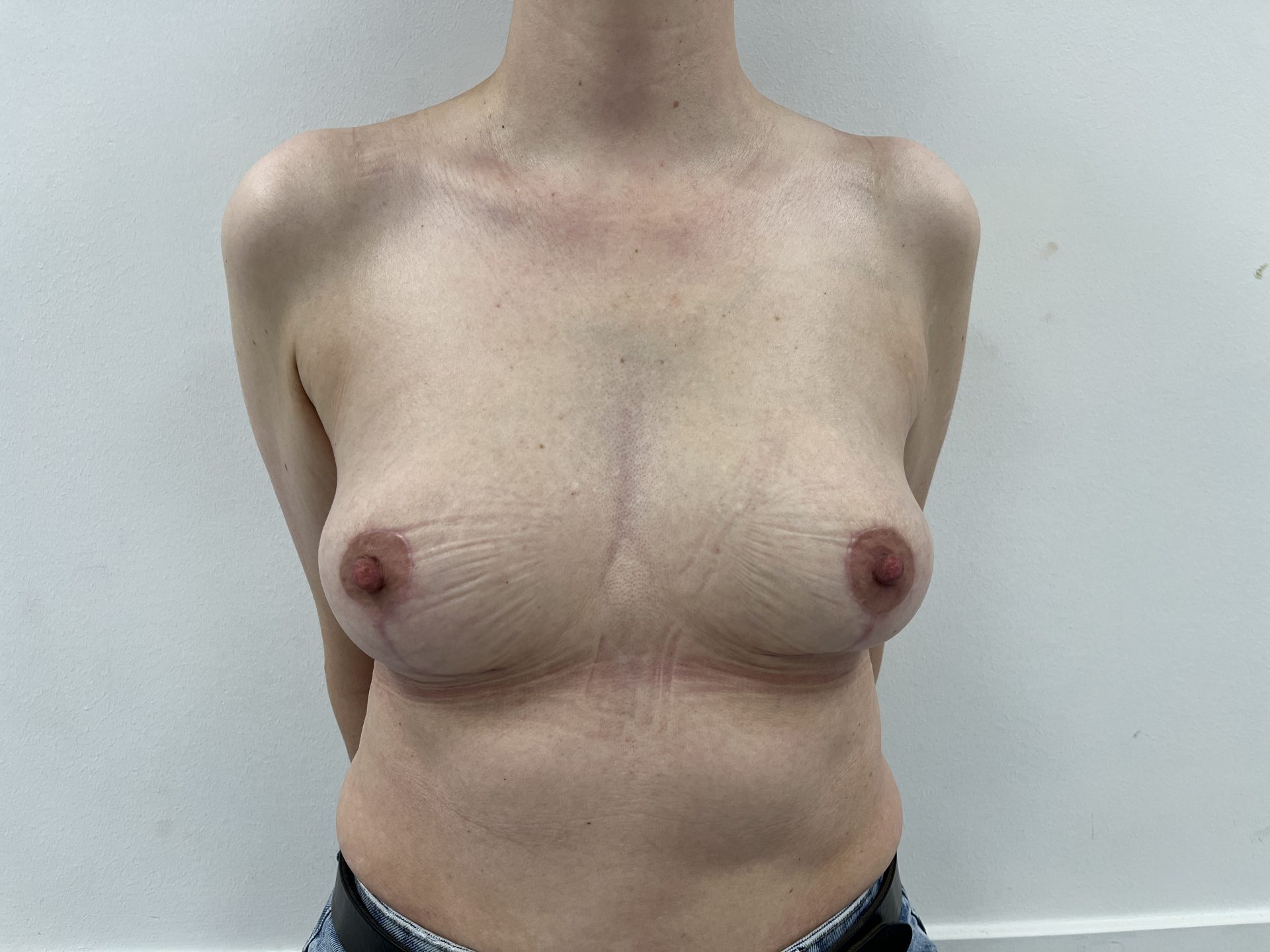
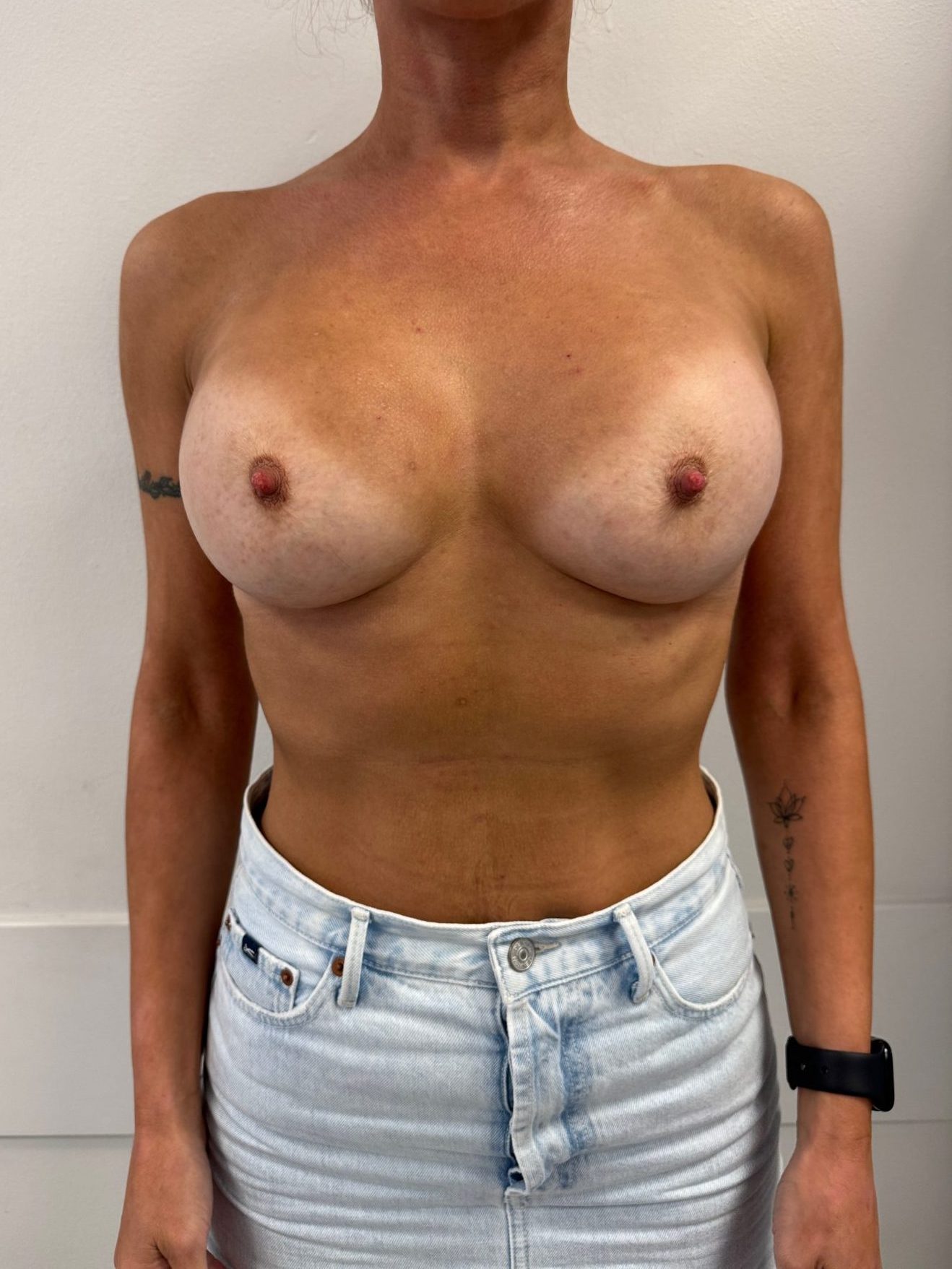
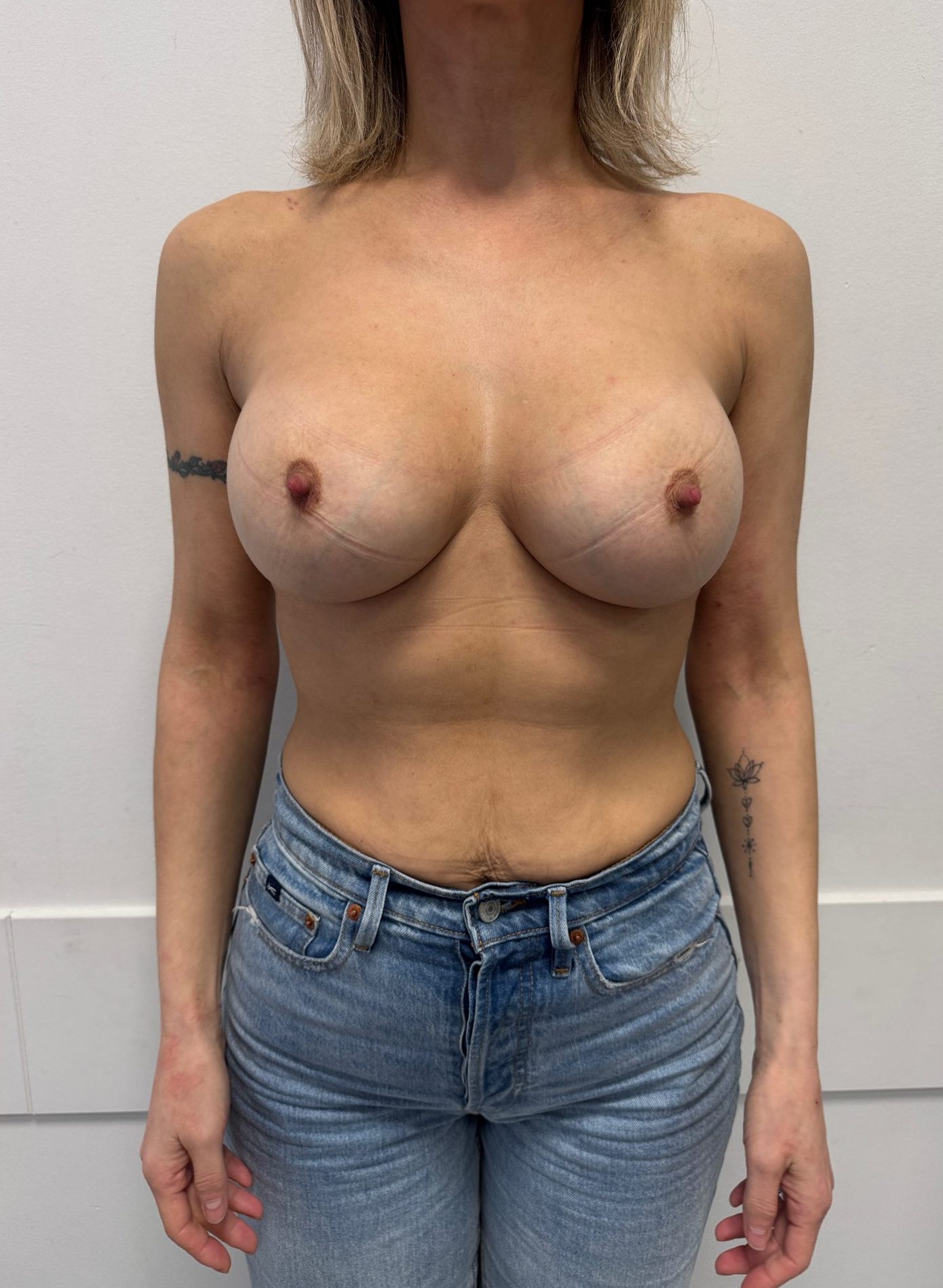
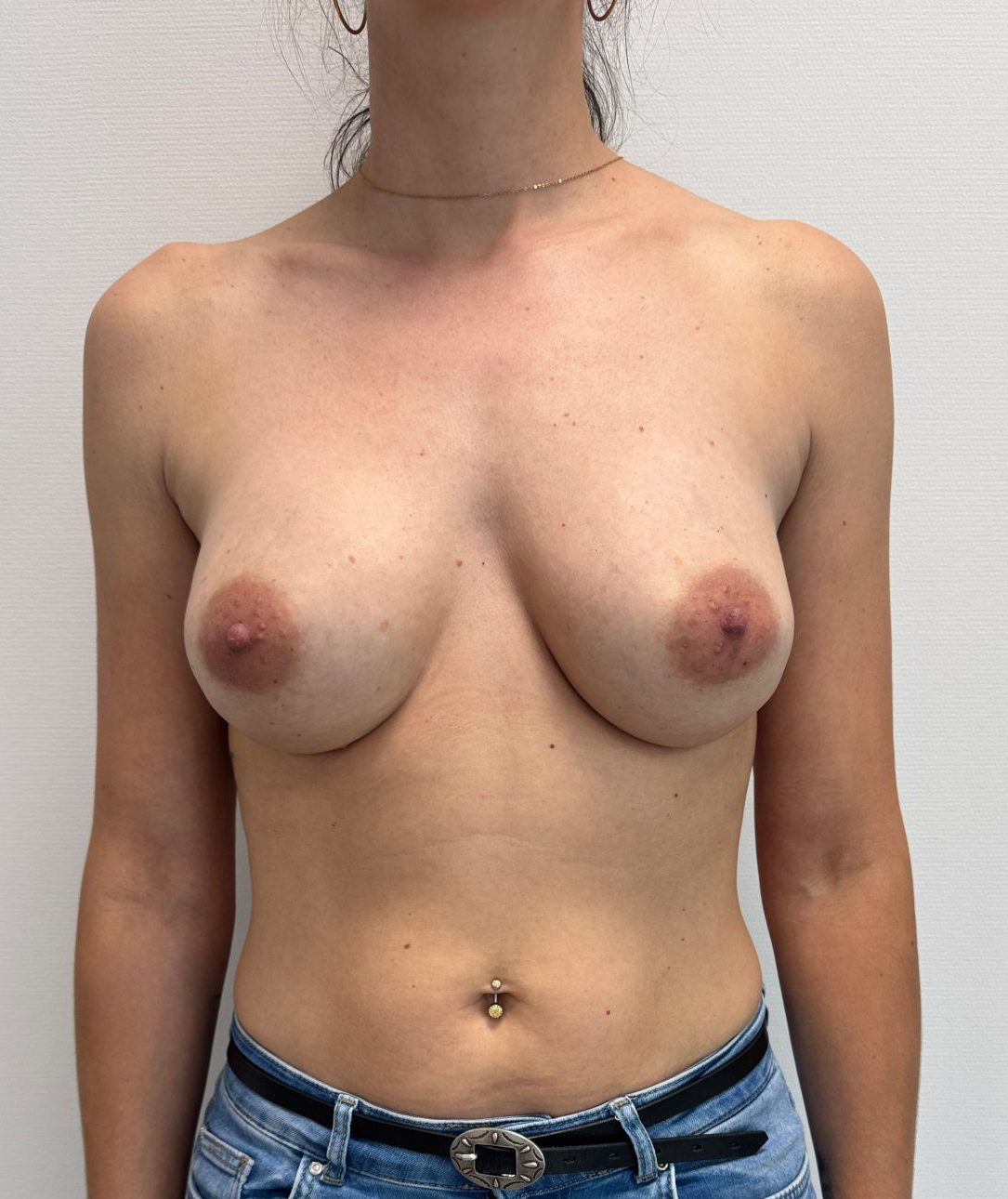
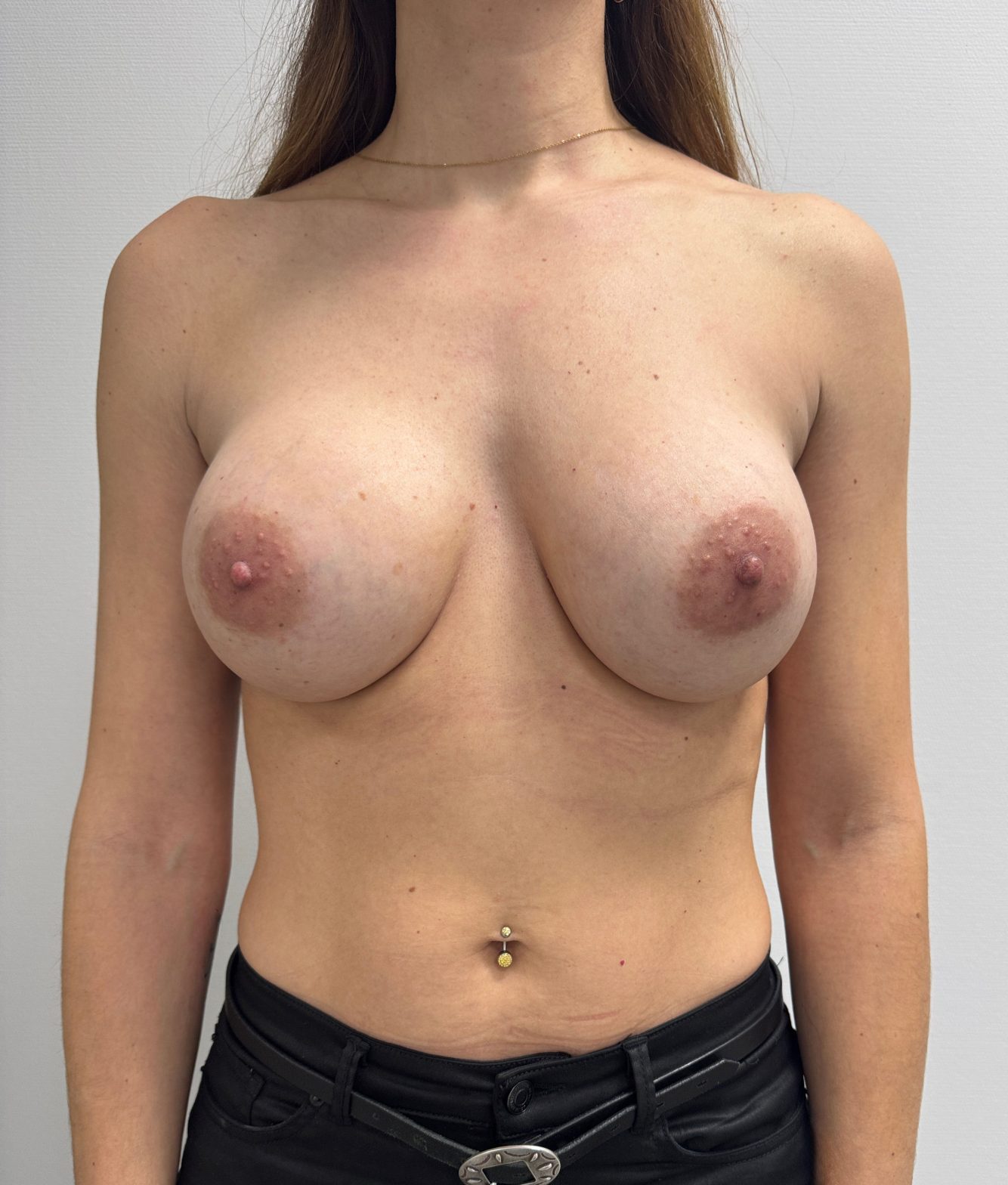
Results of Capsular contracture revision and breast implant removal

View the results of patients who chose to have capsular contracture treated and their breast implants removed at Boerhaave. The before-and-after photos provide a realistic picture of the possibilities offered by this treatment.
View all results

In the hands of our experienced specialists

Our team of plastic surgeons combines years of experience with personalized care.
During a consultation, we take the time to discuss your wishes and provide honest advice about the options that are right for you.

Meet Our TeamIcons
Drs. S. Fortuin

How much does it cost to replace a capsular contracture and change prostheses?

The exact price depends on the treatment that’s best for you. Because every body and every goal is different, we’ll develop a treatment plan during a personal consultation, including a clear, transparent price.

  • Unilateral implant replacement with round implant
    Procedure under general anaesthesia
    €3,200
  • Unilateral implant replacement with anatomical implant
    Procedure under general anaesthesia
    €3,950
  • Unilateral implant replacement with capsulectomy and round implant
    Procedure under general anaesthesia
    €4,200
  • Unilateral implant replacement with capsulectomy and anatomical implant
    Procedure under general anaesthesia
    €4,950
  • Bilateral implant replacement with round implants
    Procedure under general anaesthesia
    €4,300
  • Bilateral implant replacement with anatomical implants
    Procedure under general anaesthesia
    €5,800
  • Bilateral implant replacement with capsulectomy and round implants
    Procedure under general anaesthesia
    €5,250
  • Bilateral implant replacement with capsulectomy and anatomical implants
    Procedure under general anaesthesia
    €6,750
  • Unilateral capsulectomy
    Procedure under general anaesthesia
    €2,200
  • Bilateral capsulectomy
    Procedure under general anaesthesia
    €3,600
  • Unilateral implant removal
    Procedure under general anaesthesia
    €1,900
  • Bilateral implant removal
    Procedure under general anaesthesia
    €2,700
  • Unilateral implant removal with capsulectomy
    Procedure under general anaesthesia
    €2,500
  • Bilateral implant removal with capsulectomy
    Procedure under general anaesthesia
    €4,300
  • Breast lift with implant removal
    Procedure under general anaesthesia
    €6,200
  • Breast lift with implant removal
    Procedure under general anaesthesia
    €7,000
  • Breast lift with implant replacement (round implants)
    Procedure under general anaesthesia
    €7,000
  • Breast lift with implant replacement (anatomical implants)
    Procedure under general anaesthesia
    €8,500
  • Breast lift with capsulectomy and implant replacement (round implants)
    Procedure under general anaesthesia
    €9,000
  • Breast lift with capsulectomy and implant replacement (anatomical implants)
    Procedure under general anaesthesia
    €10,500
  • Surcharge for Mentor Coh II implants
    Procedure under general anaesthesia
    €600
  • Surcharge for Mentor Coh II implants
    Procedure under general anaesthesia
    €1,000
  • Surcharge for Motiva Ergonomix implants
    Procedure under general anaesthesia
    €1,500
  • Surcharge for Motiva Ergonomix implants
    Procedure under general anaesthesia
    €2,500
  • DBIR registration per implant
    €35

Plan a free consult with a specialist

Every body is different. During a free consultation, an experienced specialist will take the time to discuss your wishes and expectations in detail. You’ll receive personalised treatment advice, a clear explanation of the process and a transparent cost estimate.

You can also easily ask Bo, our AI medical assistant, any questions you may have.
example_image

Frequently Asked Questions

  • The implants we use are of the highest standard and intended for lifelong implantation. This means that the implants do not need to be replaced as long as they continue to feel soft and keep a nice shape. In the case of capsular contracture, or other complaints, it is important to consult your treating doctor. If in doubt, you are of course always welcome to make an appointment for a check-up consultation.
  • Where possible, an implant exchange is performed through the old scar. If this scar was originally in the armpit or around the nipple, you will get a new scar in the natural breast fold.
  • Volume loss may then occur, and a more extensive procedure is often needed because the skin may have stretched. This volume loss can be compensated for with lipofilling (filling with your own fatty tissue), often at the same time as the procedure.

Related treatments

View treatments that are similar to this one and may meet your needs.