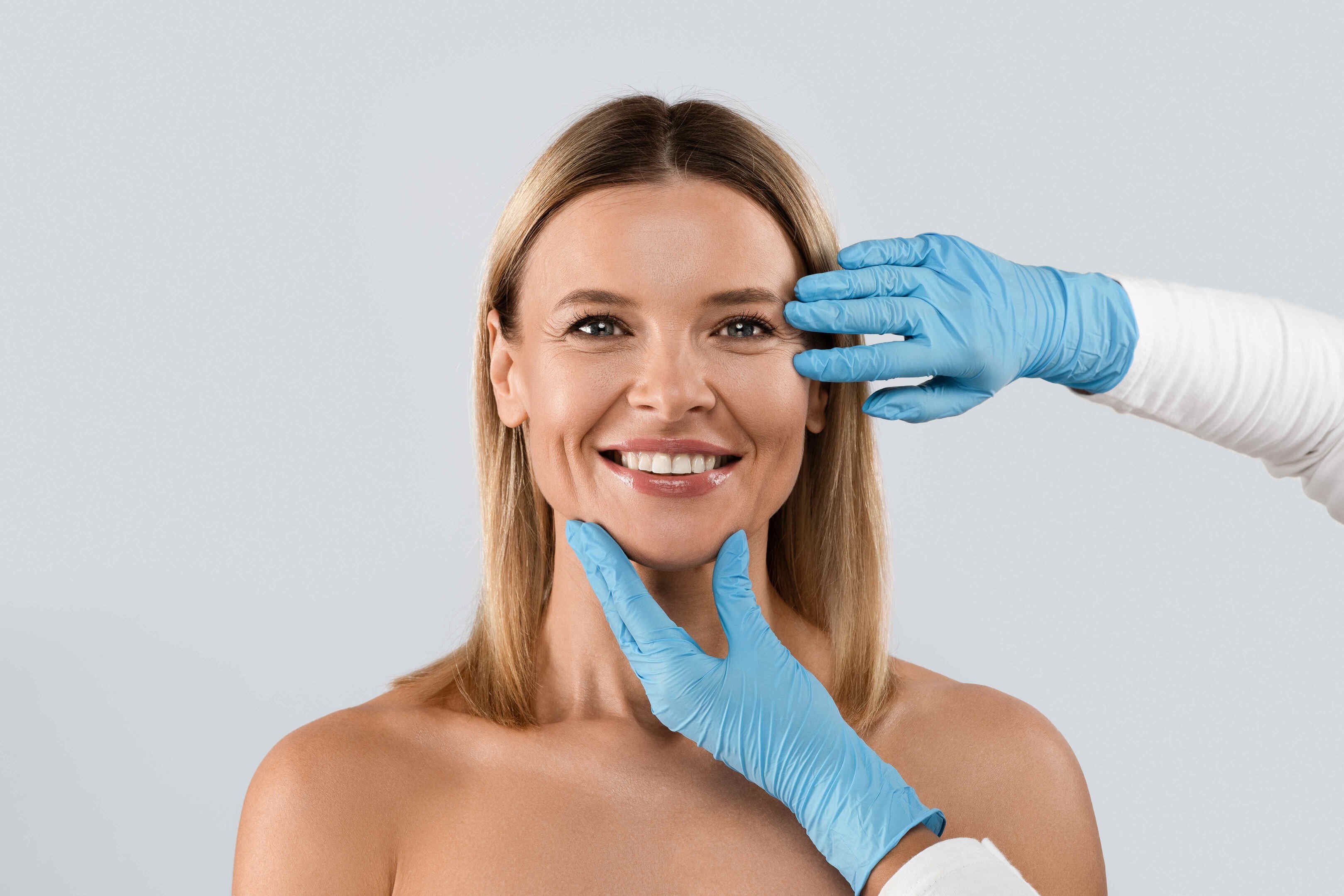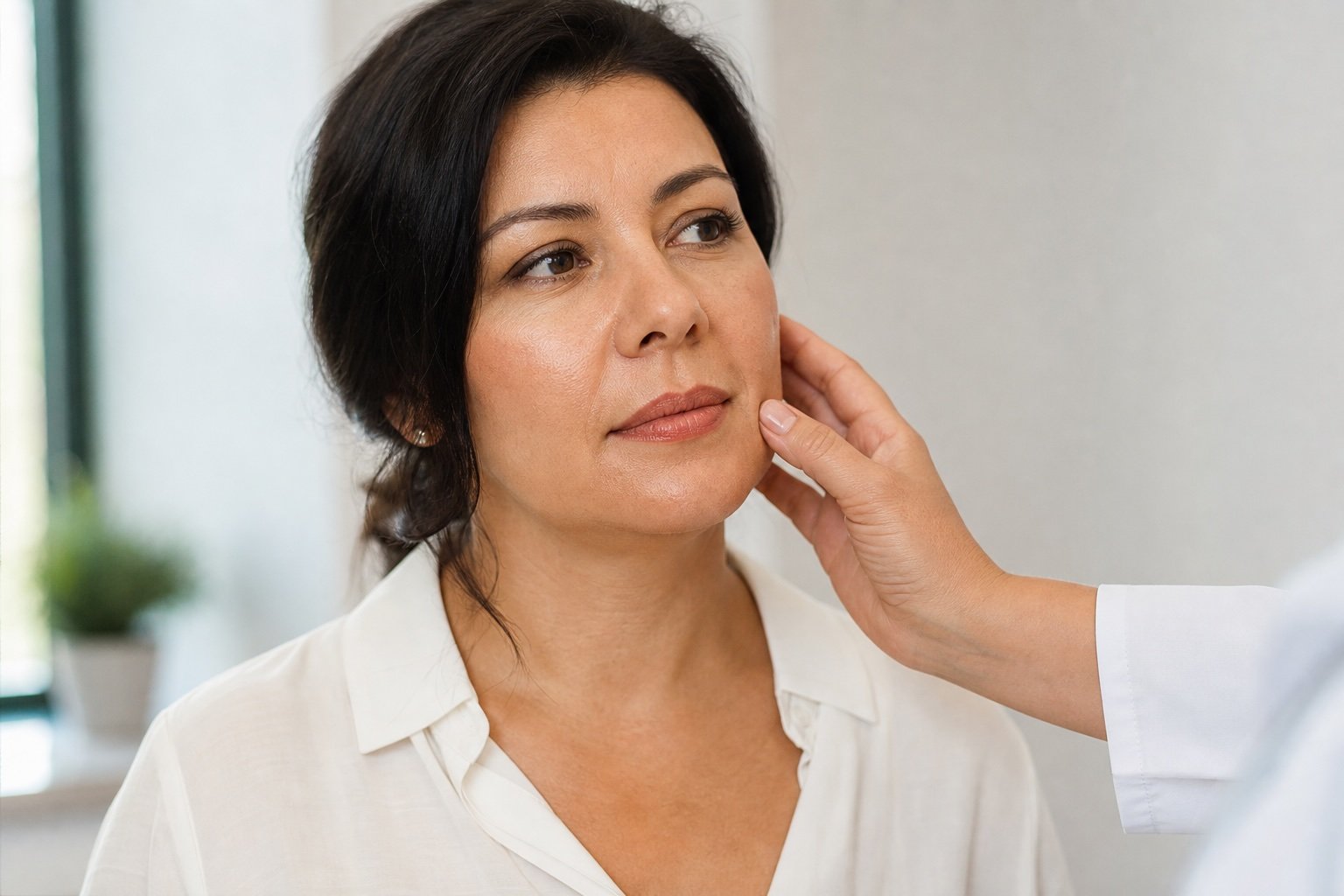
Removing buccal fat
Reduce excess fat in the cheeks and give your face a slimmer, more defined shape.
Good to know
- Anesthesia: Procedure performed under local or general anesthesia
- Duration: 0.5–1 hour
- Recovery: 3 weeks
- Price: starting at €1,500
About removing buccal fat
| Buccal fat removal involves removing some of the fat tissue deep within the cheeks. This can slim down a fuller or rounder face and better define the cheekbones and jawline. During the consultation, the plastic surgeon will assess whether this procedure is suitable for your face shape and the results you have in mind. |
- Buccal fat removal costs €1,500. The procedure can be performed under local anaesthesia or general anaesthesia. During a free, no-obligation consultation, the plastic surgeon will discuss your wishes and assess whether the treatment is suitable for you, and you will receive a transparent cost overview.
- During buccal fat removal, the plastic surgeon makes small incisions on the inside of your cheeks. Part of the buccal fat is removed through these incisions. The small wounds are then closed with dissolvable stitches. Because the incisions are on the inside of the mouth, there are no visible scars on the outside of your face.
- After the treatment, your cheeks may be swollen and tender. Most of the swelling gradually subsides over the first weeks. Because the small wounds are inside the mouth, good oral hygiene is important and soft food is recommended for the first few days. The final result is usually visible after about three months.
- At Boerhaave, buccal fat removal is performed by experienced plastic surgeons with an eye for safety, quality and a natural result. You can count on personal guidance and comprehensive aftercare, so that you know where you stand throughout the entire treatment process.
Here's how the treatment works
Here you will find all the important information about this treatment, from the consultation and the treatment itself to follow-up care, the results, and potential risks.
What is buccal fat removal?
Buccal fat is a layer of fat located deep within the cheeks, between the facial muscles. This fat can give the face a round, “baby-like” appearance. Some people naturally have more buccal fat, which can contribute to a fuller face. This treatment is designed to make the face appear slimmer and more defined.How does this treatment work?
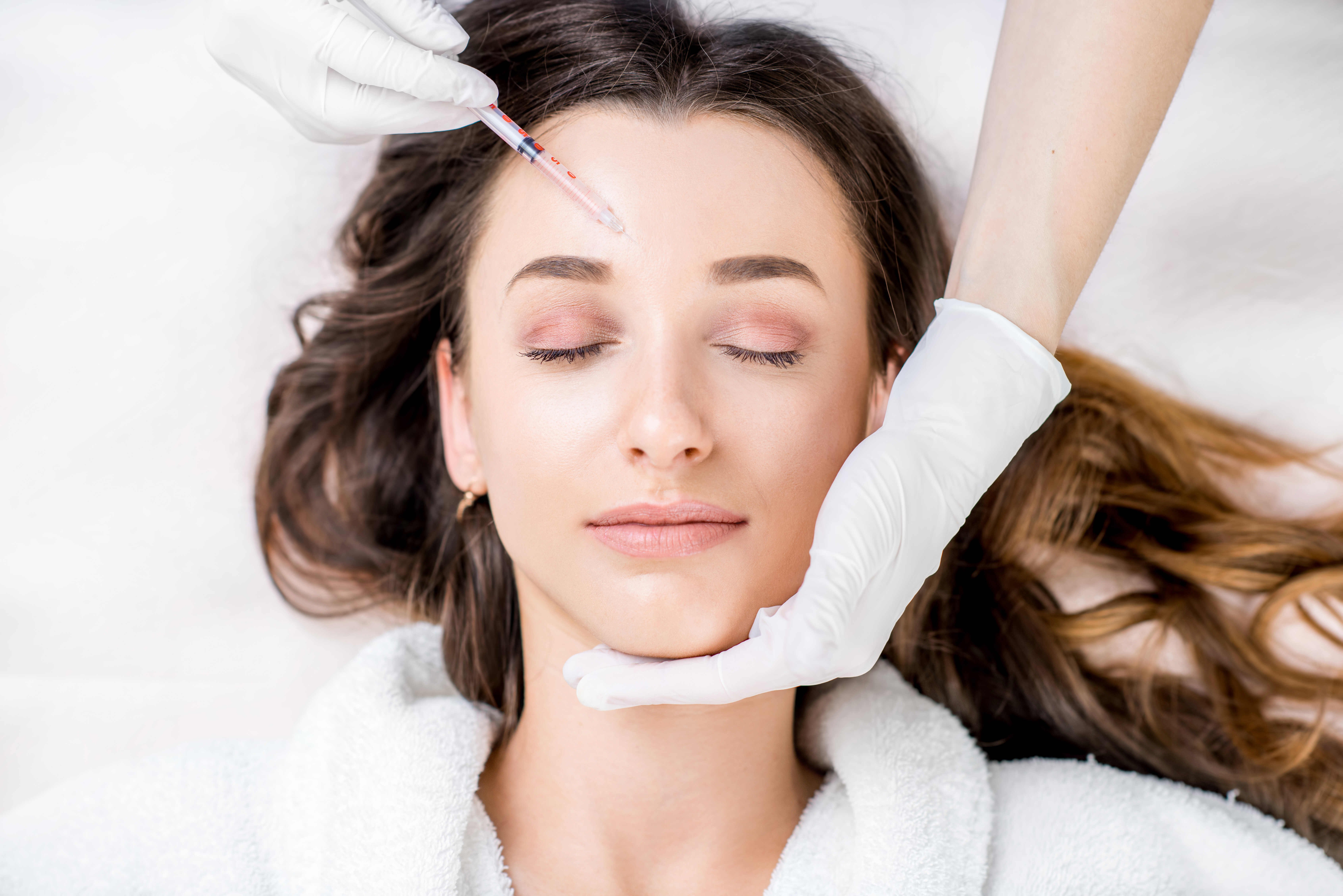
- Buccal fat removal is a relatively minor procedure. It is usually performed under local anesthesia.
- During the procedure, a small incision is made inside the mouth, giving the surgeon access to the fat pad. A portion of the buccal fat is removed to contour the face.
- The procedure usually takes about 30 minutes to an hour, and there are no visible scars because the incision is made inside the mouth.
What are the benefits?
- Definition of the cheekbones and jawline: Removing buccal fat can give the face a more defined, slimmer appearance.
- Improved facial balance: The procedure can help create a more harmonious facial appearance.
- Long-lasting results: Because the fat cells are removed, the results are permanent, unless there are significant fluctuations in weight.
Who is a good candidate for this treatment?
- People with a round face or facial fullness caused by buccal fat may be good candidates.
When is it not suitable?
- It is less suitable for people who already have a very slim face, because removing buccal fat can accentuate the signs of aging over the years.
How much does it cost?
The cost of this treatment depends on the desired results and the number of areas treated. If you choose multiple areas, the price is reduced. During a consultation, one of our plastic surgeons can provide you with more clarity on which areas are most suitable for you.
General anesthesia or local anesthesia?Buccal fat removal is usually performed under local anesthesia. This means that only the area around the cheeks is numbed, so the patient remains awake during the procedure but feels no pain.
In some cases, general anesthesia may be considered, especially if the patient feels very anxious or if the procedure is combined with other cosmetic treatments.
Important: A comprehensive consultation always takes place prior to the procedure to determine whether liposuction is the right choice for you and to discuss any potential risks.Plastic Surgeon
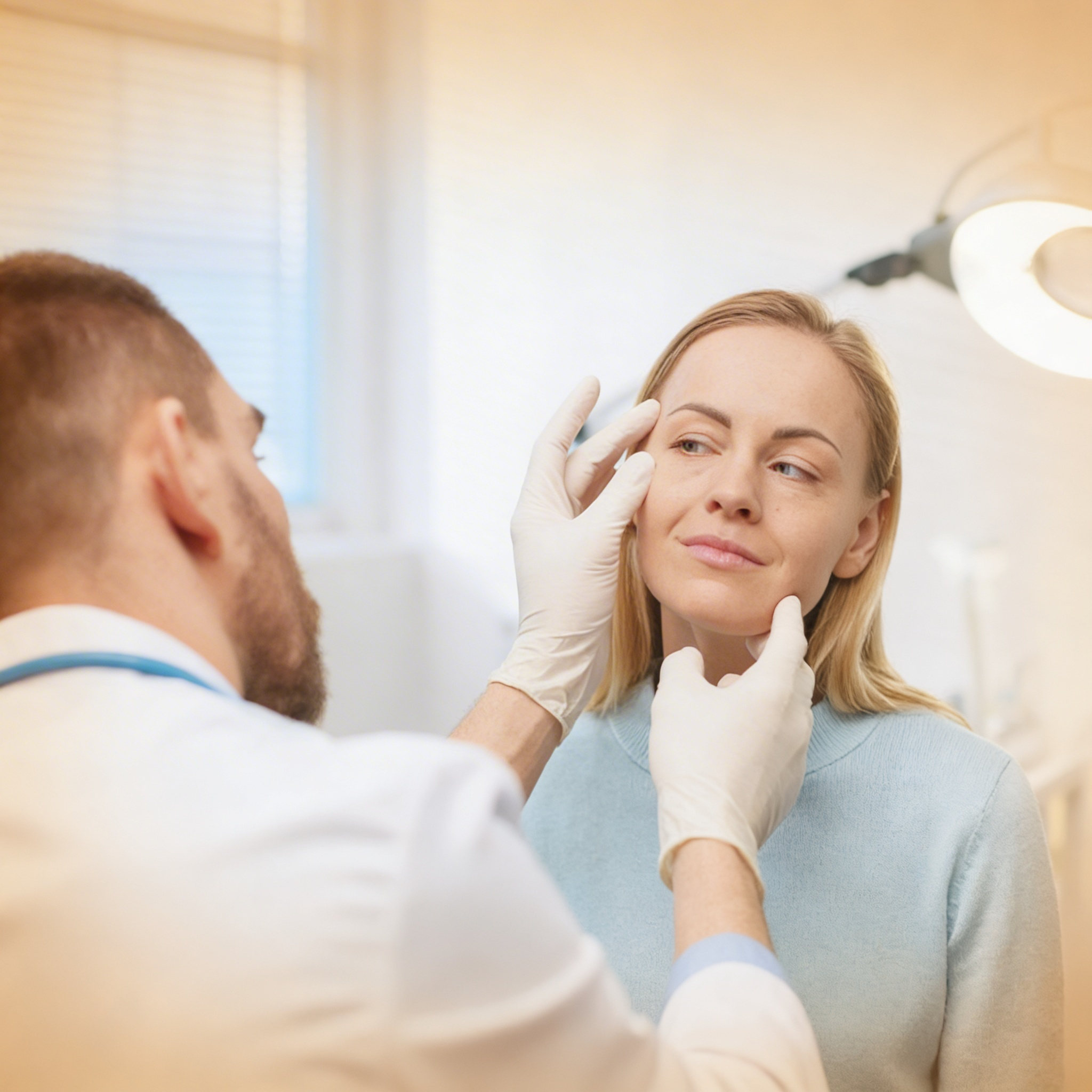
The consultation always takes place with the plastic surgeon who will be treating you. During this initial consultation, you can explain what bothers you most about your body and what you would like to change. Together with your plastic surgeon, you will discuss your wishes and the specific areas in front of the mirror. Based on this, the surgeon will propose the surgical technique best suited for you and discuss it with you. In front of the mirror, the surgeon will explain what this technique entails and what you can expect in terms of the final result.The plastic surgeon will then show you before-and-after photos of procedures he or she has performed. This will give you an idea of the possible results. At the end, your consultation will be summarized in a treatment plan, and the total costs will be discussed with you immediately. This will allow you to make an informed decision.
Would you like more information about your first consultation at Boerhaave? Read more here.
Consultant
Following your initial consultation with your plastic surgeon, you’ll have a conversation (by phone) with your consultant. The purpose of this conversation is to inform you about matters that need to be arranged regarding your liposuction. This ensures you’re well prepared for your treatment.BMI
When you undergo general anesthesia during surgery, it is important that the procedure proceeds safely. For this reason, you must be at a healthy weight. Would you like to know if you are at a healthy weight?Calculate your BMI here. The BMI (Body Mass Index) indicates whether your weight is healthy in relation to your height.
Removal of buccal fat
- The surgeon makes a small incision on the inside of each cheek, in the oral mucosa. Because these incisions are made inside the mouth, there are no visible scars.
- Using special instruments, the surgeon locates the buccal fat pad and removes some of the fat to refine the contours of your face.
- Once the appropriate amount of fat has been removed, the surgeon closes the incisions with dissolvable sutures.
- If your procedure was performed under local anesthesia, you can usually go home half an hour after the procedure. If you had general anesthesia, you will typically stay at the clinic for another three to four hours so that your blood pressure and heart rate can be monitored. You may not go home until the nurse and the anesthesiologist deem it safe to do so.
Was your procedure performed under general anesthesia? If so, you may start with easily digestible foods at home, such as water, tea, and crackers. Try to avoid nausea and vomiting, as this reduces the risk of post-operative bleeding and/or swelling at the wound site. It’s also important to drink plenty of fluids.
Immediately after the procedure, you may experience some swelling and mild pain.
Recovery
Immediately after the procedure (1–3 days):
Swelling and mild pain are normal in the first few days. This is often relieved with cold compresses and, if necessary, prescribed pain relievers.
Since the incisions are inside the mouth, patients are advised to eat soft foods and keep the mouth area clean to prevent infections.
First week:
Most of the swelling subsides during the first week. Many patients can resume their normal activities after a few days, depending on how they feel.
Exercise and strenuous activities are often not recommended until after one week to minimize swelling and discomfort.
After 2–3 weeks:
By the end of the second week, most of the swelling has subsided, but it may take a few more weeks before the final results are visible. The final results are usually visible after about 3 months, once all the swelling has completely subsided and the skin and tissues have adjusted.
Although buccal fat removal is generally safe, there are some potential risks and complications that may occur. Here are the most important ones:
Infection
- As with any surgical procedure, there is a risk of infection, especially since the incisions are made inside the mouth, where bacteria are present. This can usually be prevented through good oral hygiene.
Swelling and Bruising
- Swelling and bruising are normal after the procedure, but may last longer in some people. This is usually temporary and gradually subsides within a few weeks.
Bleeding
- Bleeding is rare with buccal fat removal, but it can occur. This is usually a minor complication that stops on its own, but in some cases, additional treatment may be necessary.
Numbness or nerve damage
- The surgeon works near important nerves in the face, and although it rarely happens, there is a small risk of nerve damage, which can lead to temporary or permanent numbness or weakness in the cheeks.
Damage to the salivary glands or ducts
- In rare cases, damage to the salivary glands or salivary ducts may occur during the procedure, which can cause discomfort or other complications.
Smoking
Patients who smoke or use tobacco or nicotine products at the time of surgery are at a higher risk of complications, such as skin necrosis and impaired wound healing. In addition, it can have a negative effect on anesthesia, potentially resulting in an increased risk of bleeding. It is important to stop smoking at least four weeks before the procedure and to continue abstaining throughout the entire recovery process.It is important to note that people exposed to secondhand smoke may also face a potentially increased risk of similar complications. People who are not exposed to tobacco smoke or nicotine-containing products have a significantly lower risk of complications.
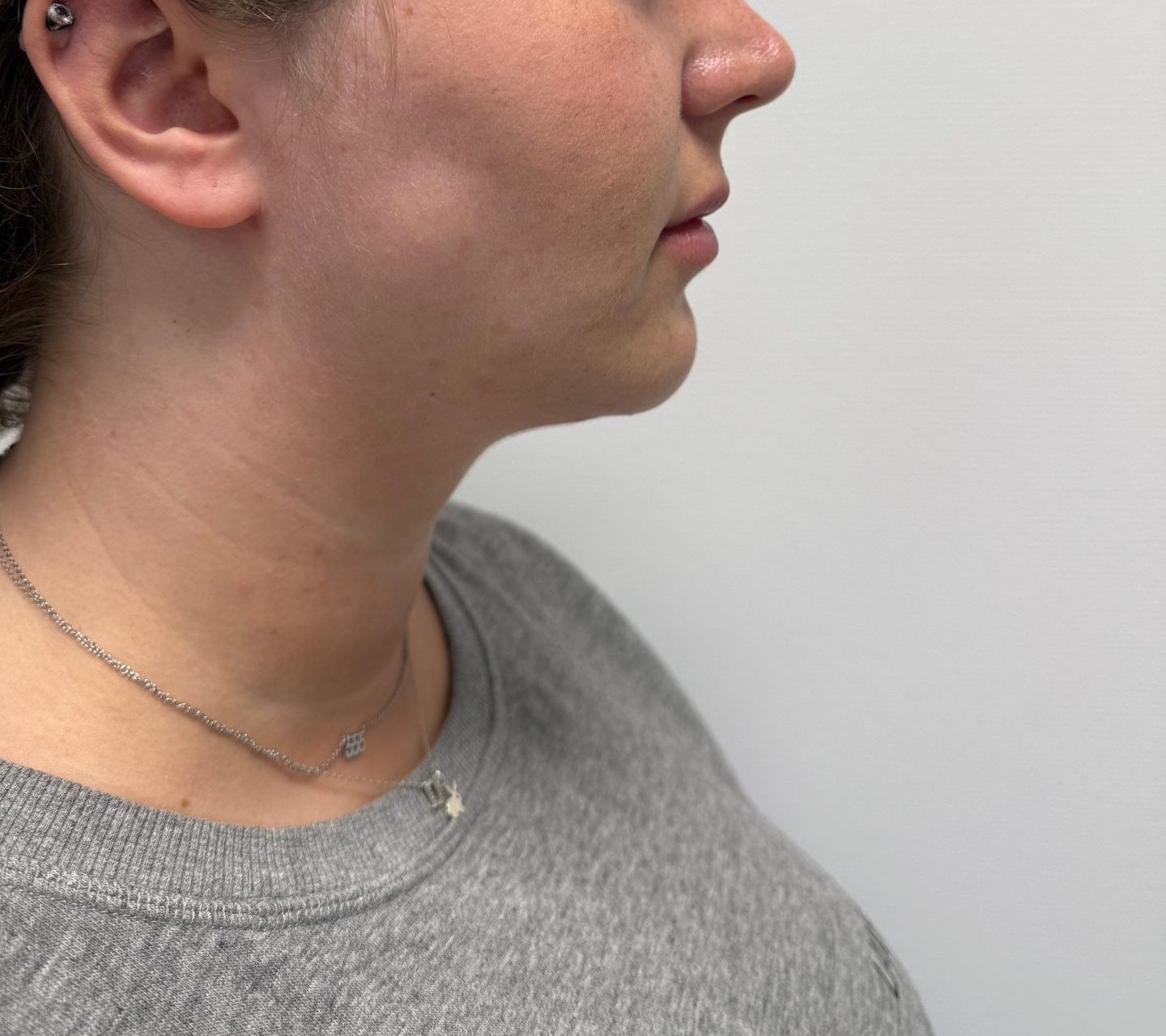
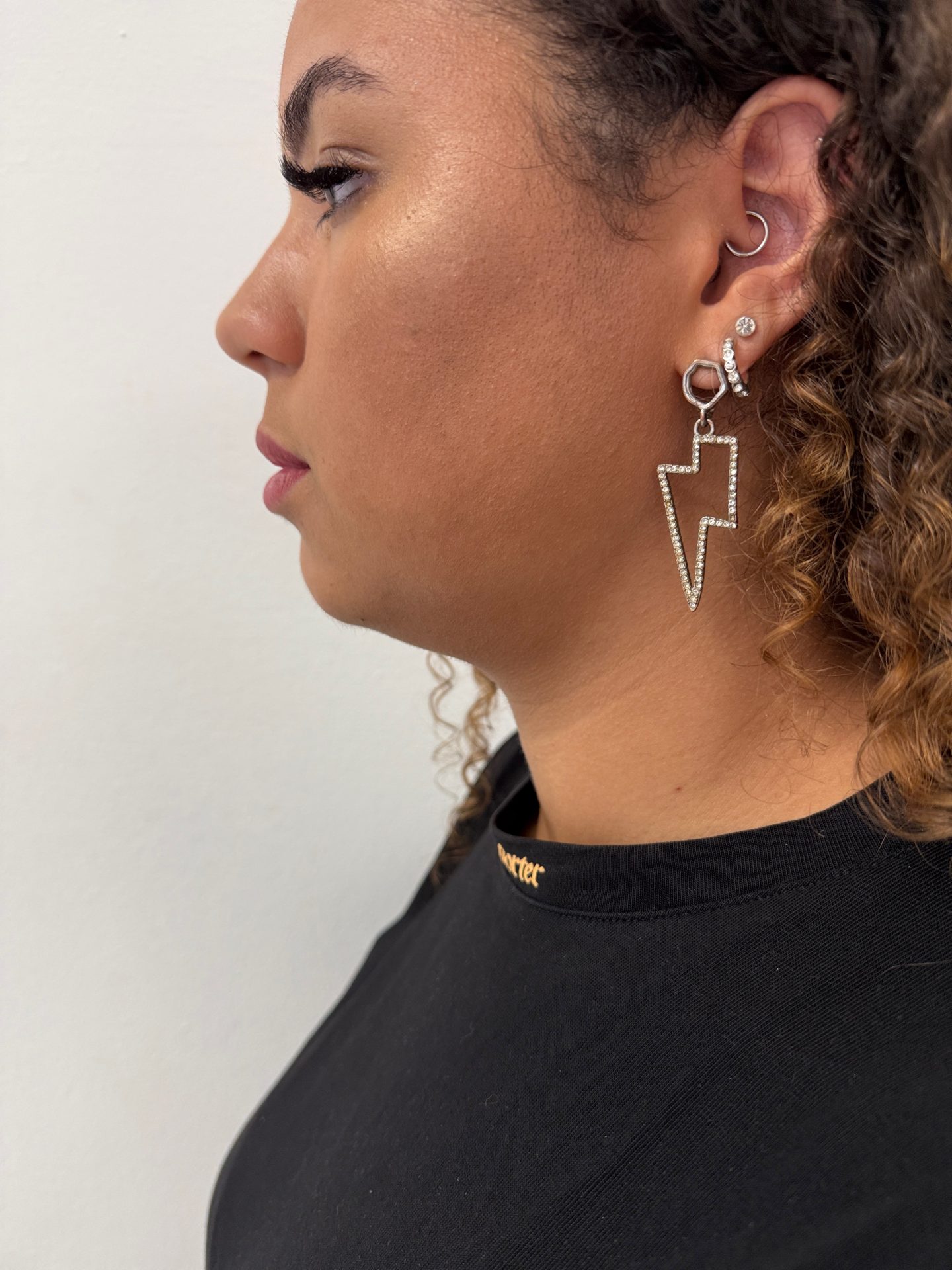
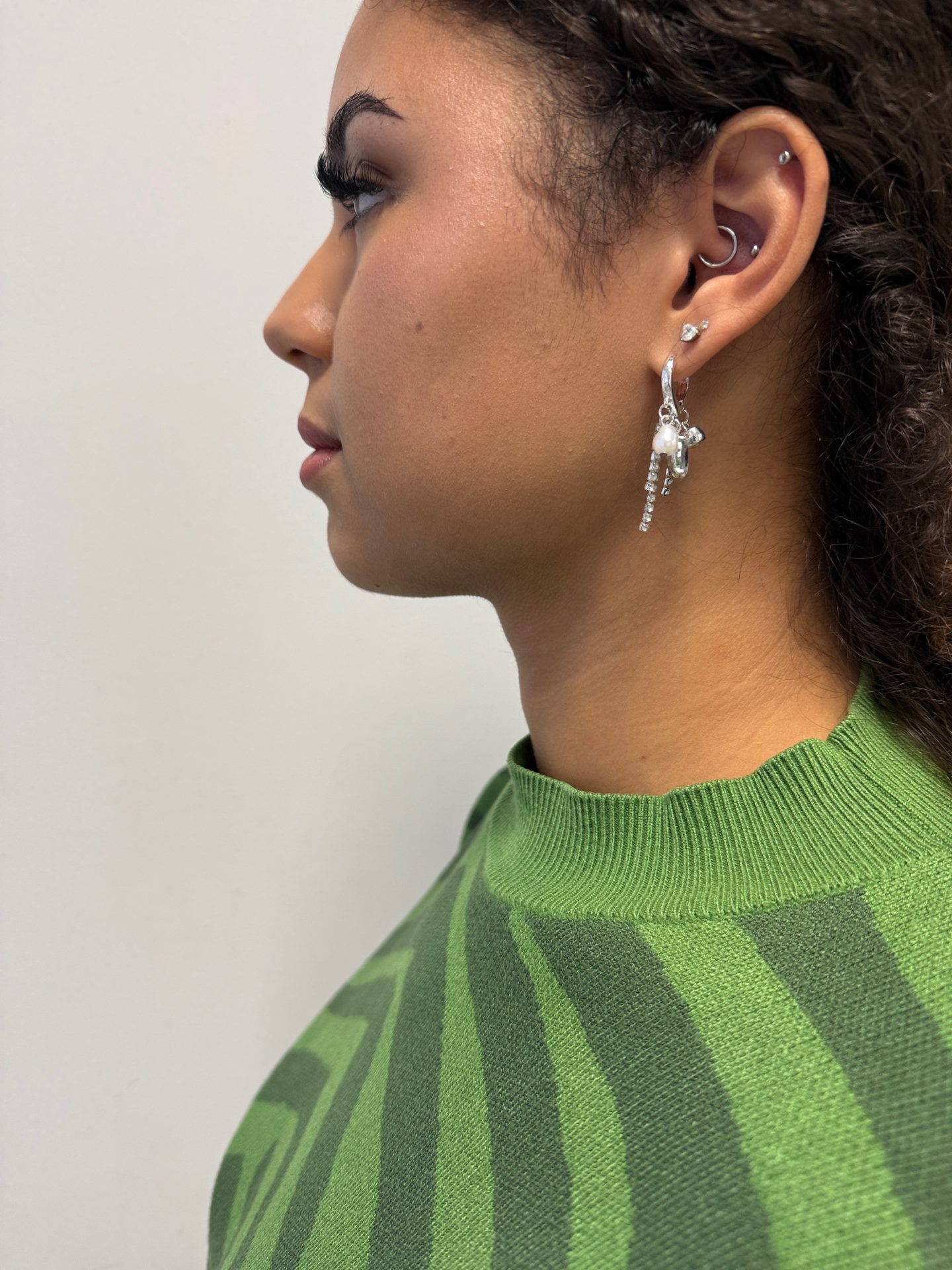
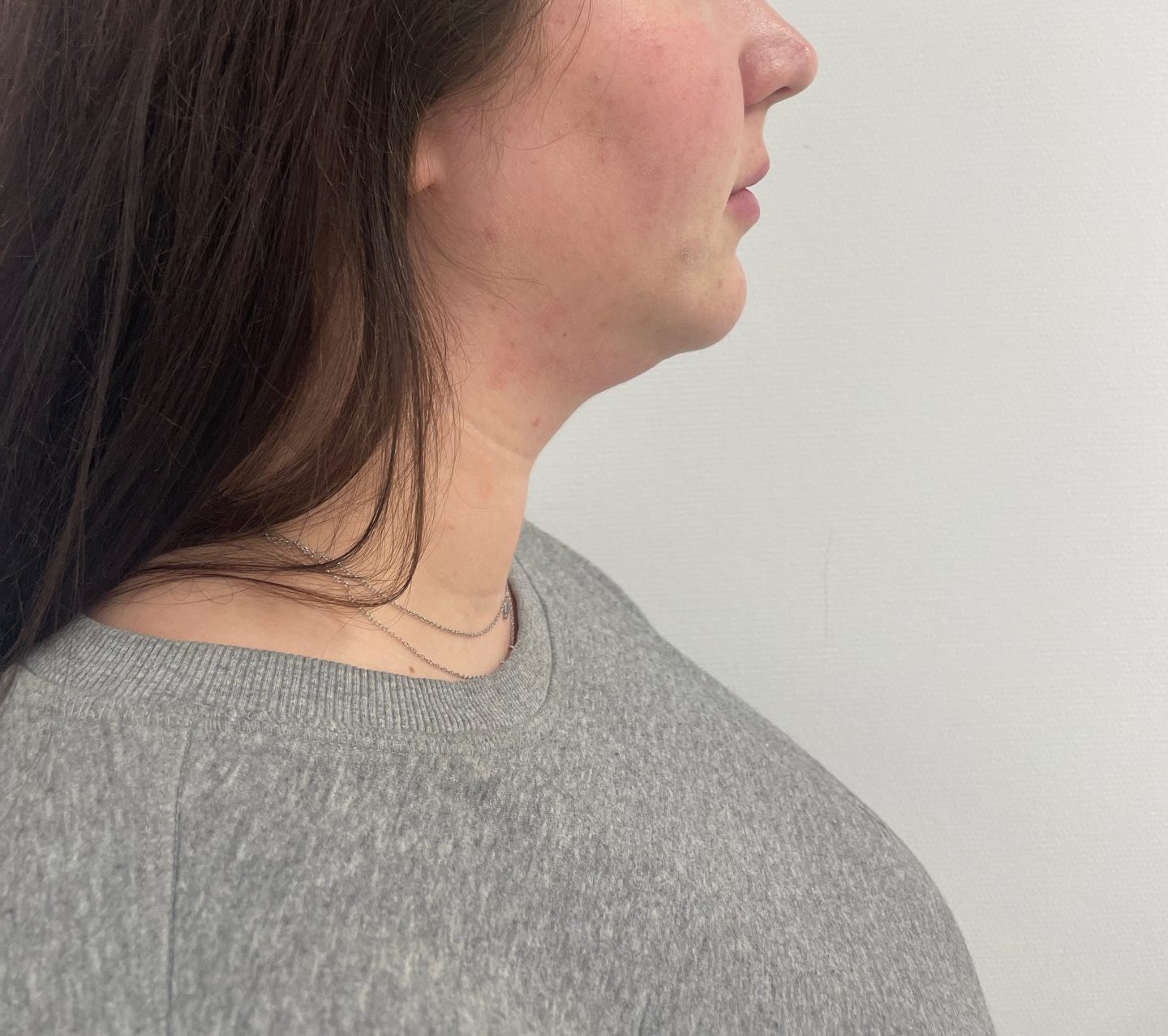
Real results from our patients
View the results of buccal fat removal and/or related treatments from patients who have undergone these procedures at our clinic. The before-and-after photos provide a realistic picture of what this treatment can achieve.
In the hands of our experienced specialists
Our team of plastic surgeons combines years of experience with personalized care.
During a consultation, we take the time to discuss your wishes and provide honest advice about the options that are right for you.


How much does buccal fat removal cost?
The exact price depends on the treatment that’s best for you. Because every body and every goal is different, we’ll develop a treatment plan during a personal consultation, including a clear, transparent price.
Buccal fat removal
Procedure under local or general anaesthesia€1,500
Our patients' experiences
Every patient has their own story. Read about their experiences with their care at Boerhaave.
Plan a free consult with a specialist
Every body is different. During a free consultation, an experienced specialist will take the time to discuss your wishes and expectations in detail. You’ll receive personalised treatment advice, a clear explanation of the process and a transparent cost estimate.
You can also easily ask Bo, our AI medical assistant, any questions you may have.
Frequently Asked Questions
Buccal fat removal is a cosmetic procedure in which excess fat is removed from the cheeks to give the face a slimmer and more defined appearance. This fat, also known as buccal fat, sits deep in the cheeks between the facial muscles and can give the face a round or "baby-faced" appearance.
The treatment is suitable for people with a naturally fuller face who want to accentuate their cheekbones and jawline more. It is less suitable for people with a narrow face, because over time, due to the natural ageing process, removing buccal fat can actually give a hollow appearance.
Yes, because the fat cells are actually removed, the result is permanent, unless significant weight fluctuations occur.
- During buccal fat removal, the plastic surgeon makes small incisions on the inside of your cheeks. Part of the buccal fat is removed through these incisions. The small wounds are then closed with dissolvable stitches. Because the incisions are on the inside of the mouth, there are no visible scars on the outside of your face.
Related treatments
View treatments that are similar to this one and may meet your needs.