Nutrition tips to prepare for your treatment

Nutrition tips to prepare for your treatment

Author:Boerhaave

Nutrition is becoming ever more important in daily life. We notice this at Boerhaave Clinic too. We are increasingly asked about nutrition in combination with plastic surgery. Whether you are planning to have a breast augmentation, a nose correction or another treatment, before and after a plastic surgery procedure your body needs more nutrients, vitamins and minerals to promote good healing. Our consultants regularly receive questions such as: Which foods can contribute to a quick recovery? What can I do to prepare myself? What is best to eat in the run-up to my operation? That is why in this article we discuss nutrition tips to prepare for your treatment.


General tips to prepare for your treatment

To be well prepared, certain adjustments can contribute to a faster recovery. At Boerhaave Clinic we advise our patients to stop drinking alcohol two days before the operation and to stop smoking at least four weeks before the procedure. Alcohol can make local anaesthesia or general anaesthesia less effective, while smoking leads to poorer blood circulation. We also advise taking Arnica D6 drops or tablets and extra vitamin C for two weeks before the treatment. Taking Arnica can help relieve muscle pain, swelling and bruising after your operation, while vitamin C plays an important role in wound healing.


Foods that can aid your recovery

  • Drink plenty of water. Drinking plenty of water helps your digestion work well and keeps your skin clear. This is important, because the healing process requires sufficient water intake to function optimally. In addition, dehydration can also be harmful to your body’s immune responses and healing functions. Do not replace water with coffee or soft drinks. It is not the same.
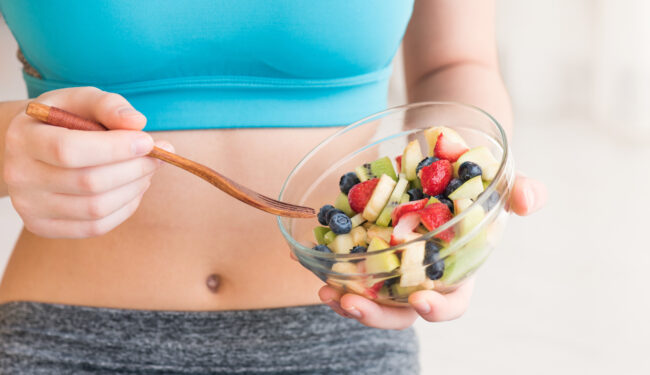
  • Water-rich foods. Don’t drink that much? Then you could also top up your fluid intake with water-rich foods such as cucumber, iceberg lettuce, celery, peppers, watermelon, spinach, strawberries, grapefruit or grapes. A cucumber, for example, consists of around 96.7% water. A healthy snack with lots of water. Win-win!
  • Lean proteins. Proteins are the building blocks of tissue. Your body will need them to heal itself faster. The production of new blood cells and connective tissue depends on proteins. Consuming the recommended daily amount of protein benefits the immune system and supports the central nervous system. You can find lean proteins in foods such as eggs, steak, poultry, lean fish, low-fat dairy, lentils, tofu, unprocessed nuts, quinoa, tempeh, broccoli, cauliflower and asparagus.
  • Antioxidants. This is a collective name often used for substances such as vitamins E and C, selenium, zinc and bioactive substances. Antioxidants are needed to counter the effects of free radicals. These are unstable, aggressive substances that can cause damage to tissues and cells. So eat plenty of fruit and vegetables, for example berries, avocados, pomegranates and spinach, but also products such as sprouts, kernels, seeds and unprocessed nuts.
  • Unsaturated fats. Often also called “good fats”, these are usually of plant origin, but are also found in large amounts in fish. Unsaturated fats generally contribute to good health. They contribute to maintaining normal cholesterol levels and so contribute to heart health. Unsaturated fats also have an anti-inflammatory function. Would you like to consume more unsaturated fats? Then take a look at products such as unprocessed nuts, tofu, coconut oil, olive oil, rapeseed oil, seeds, avocados, salmon, herring, mackerel and wheat germ.


Foods that do not aid your recovery

  • Caffeine. Are you a serious coffee drinker? Then it is wise to stop temporarily, or at least cut down. Caffeine, like drugs and alcohol, can make local anaesthesia or general anaesthesia less effective. In addition, caffeinated drinks are a natural diuretic, which means they increase urine flow, draw fluid out of the body and increase the risk of dehydration. So try to avoid products high in caffeine, such as coffee, cola, energy drinks and protein bars.
  • Salt. Foods high in salt can cause your body to retain fluid, which increases the chance of swelling. Reducing or avoiding salt can help your body heal faster. Anything from a box, packet, tin or container, in other words processed food, is not ideal for your body. Think of salad dressing, stock, snacks, fast food, bacon, sauces, table salt, olives, salami, feta, mature cheese and salted nuts.
  • Sugar. The same actually applies to sugar as to salty foods. Anything from a box, packet, tin or container generally contains a lot of sugar and is not good for your body or your recovery. Processed foods and drinks, such as soft drinks, snacks, sweets, fruit juice, biscuits, sauces, chocolate milk, but also breakfast cereals and flavoured yoghurt, are packed with sugar. Sugars can suppress immune functions and promote inflammation.
  • Refined carbohydrates. Sugars are carbohydrates, but not all carbohydrates are sugars. Refined carbohydrates consist of multiple sugars. As a result, just like sugars, these carbohydrates can suppress immune functions and promote inflammation. So try to avoid products such as white bread, white flour, white pasta, white rice, breakfast mixes, cake, pastries, potatoes, chips, crisps, ice cream and sweet spreads.


More nutrition tips?

Curious about nutrition tips that can help you after a treatment? Then take a look at this blog.